

Gothic style Standing out with its classic, mysterious and enchanting beauty, it has conquered the art world from the Middle Ages to the present. From grand architecture to luxurious interiors, this style always leaves a strong impression thanks to its deep colors, sophisticated details and mysterious space. The following article will help you explore more deeply about its origin, characteristics and application. Gothic style in interior design, bringing impressive and unique space.
1. Introduction to Gothic Style
Gothic style is a prominent symbol in art and architecture, imbued with mysterious and classical beauty. With the perfect combination of strength, magnificence and sophistication, Gothic creates impressive and inspiring spaces.
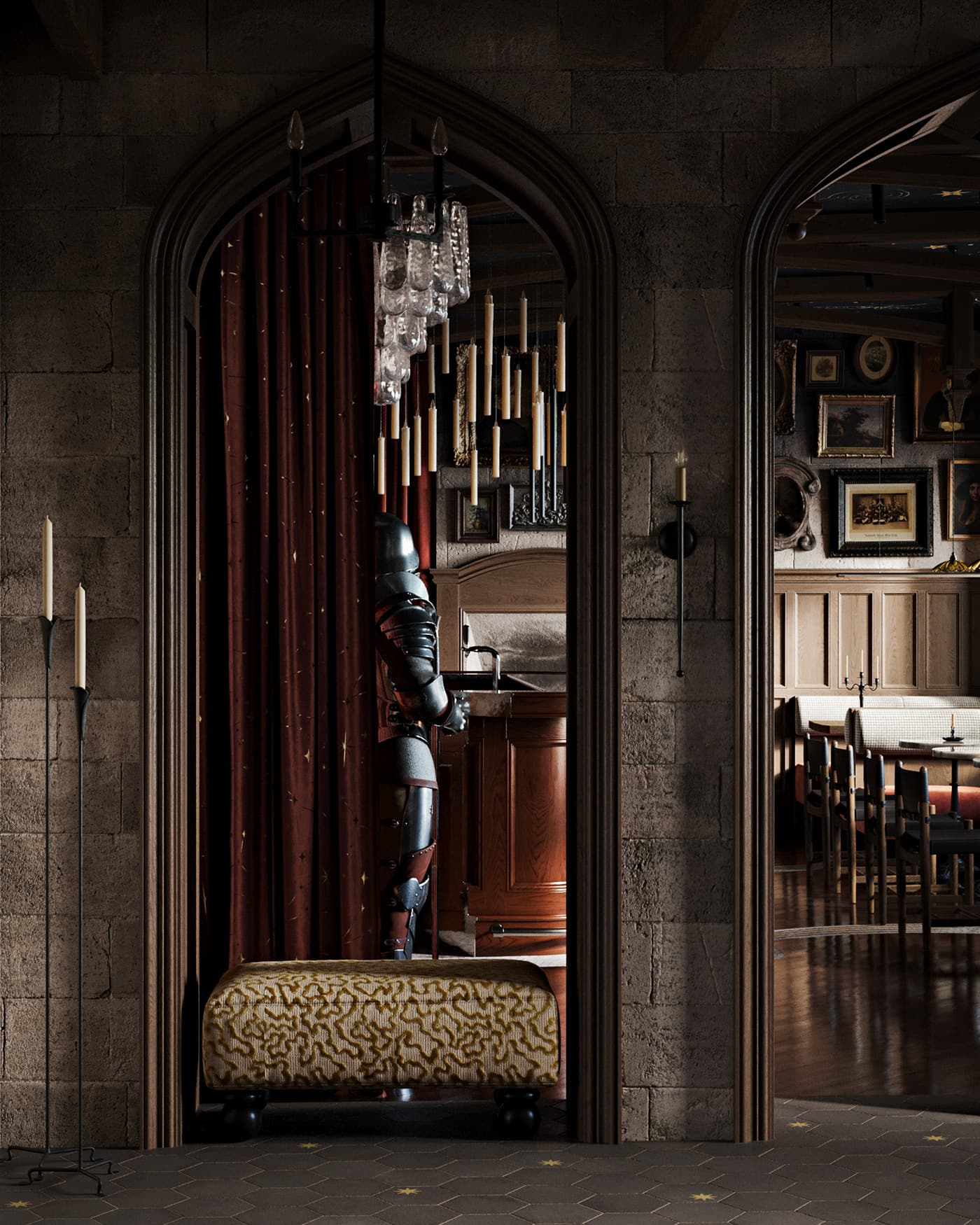
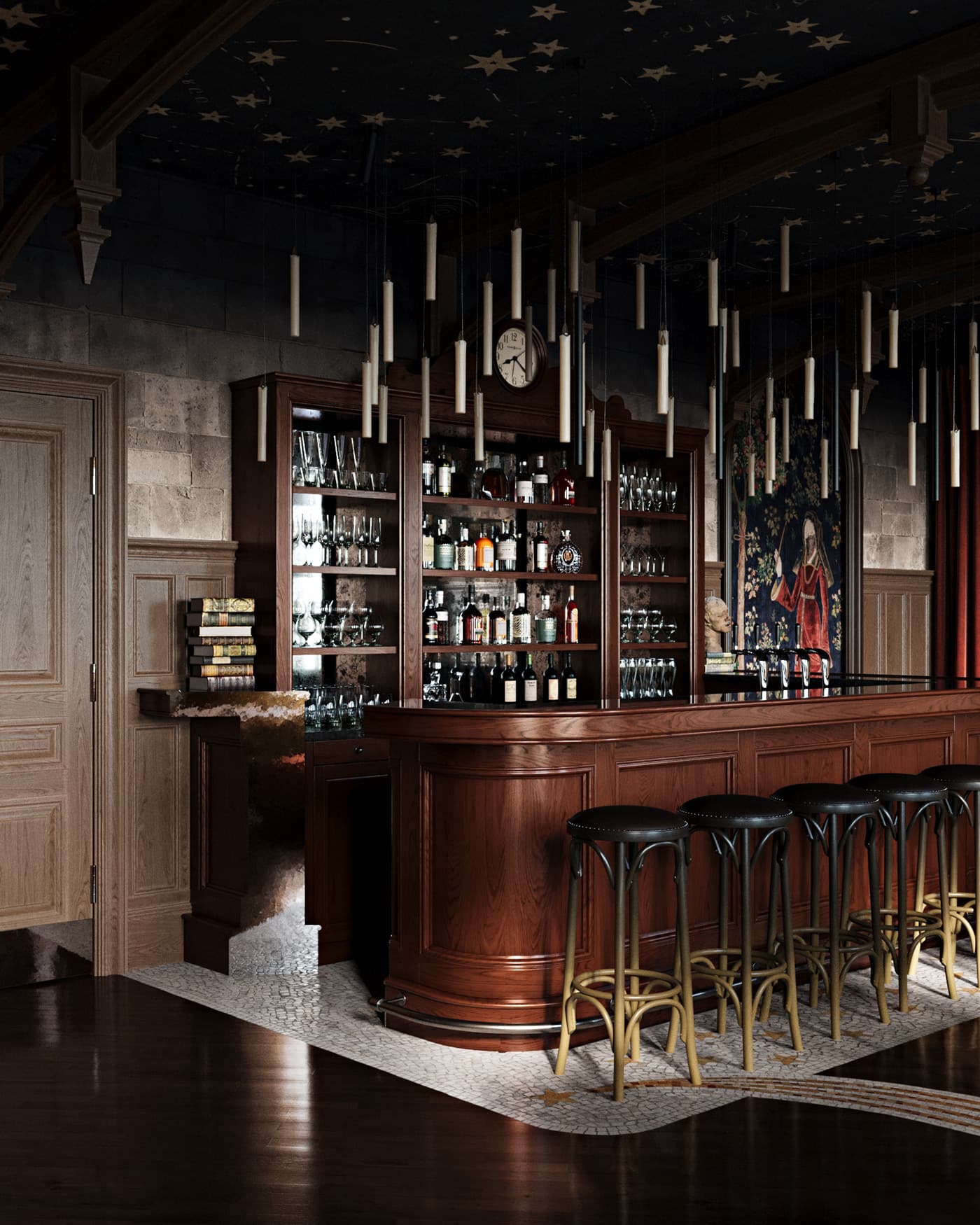
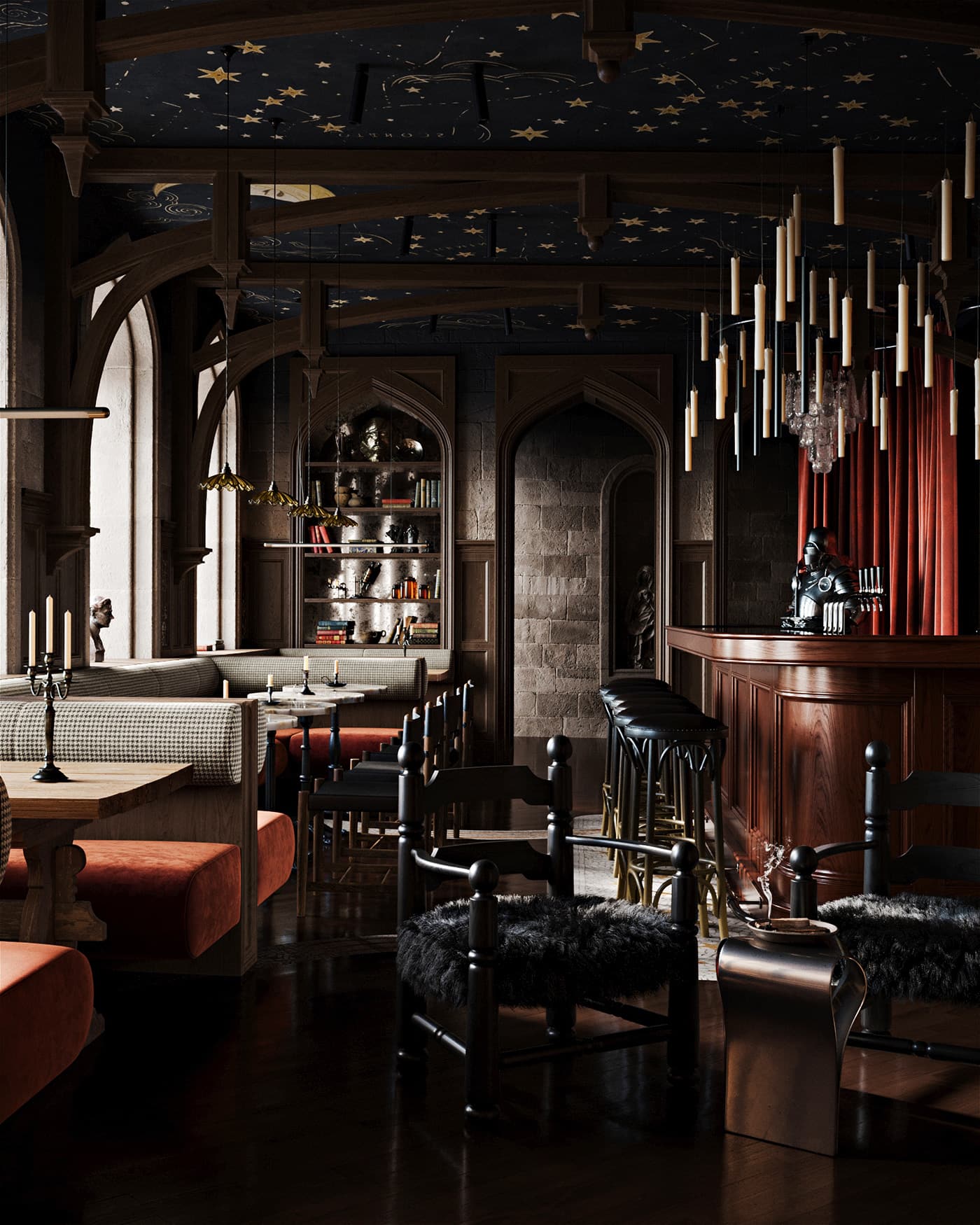
Not only did it appear in the great cathedrals of medieval Europe, but it also spread to many fields such as interior design, fashion, and even modern design. The appeal of Gothic lies in its deep, dark colors, sharp architectural details, and the mystical feeling it brings.
Gothic Art
Gothic art is an artistic movement that developed from Romanesque art in France in the 12th century, along with Gothic architecture. This art quickly spread throughout Western Europe, especially north of the Alps, but had little influence on the classical styles in Italy.
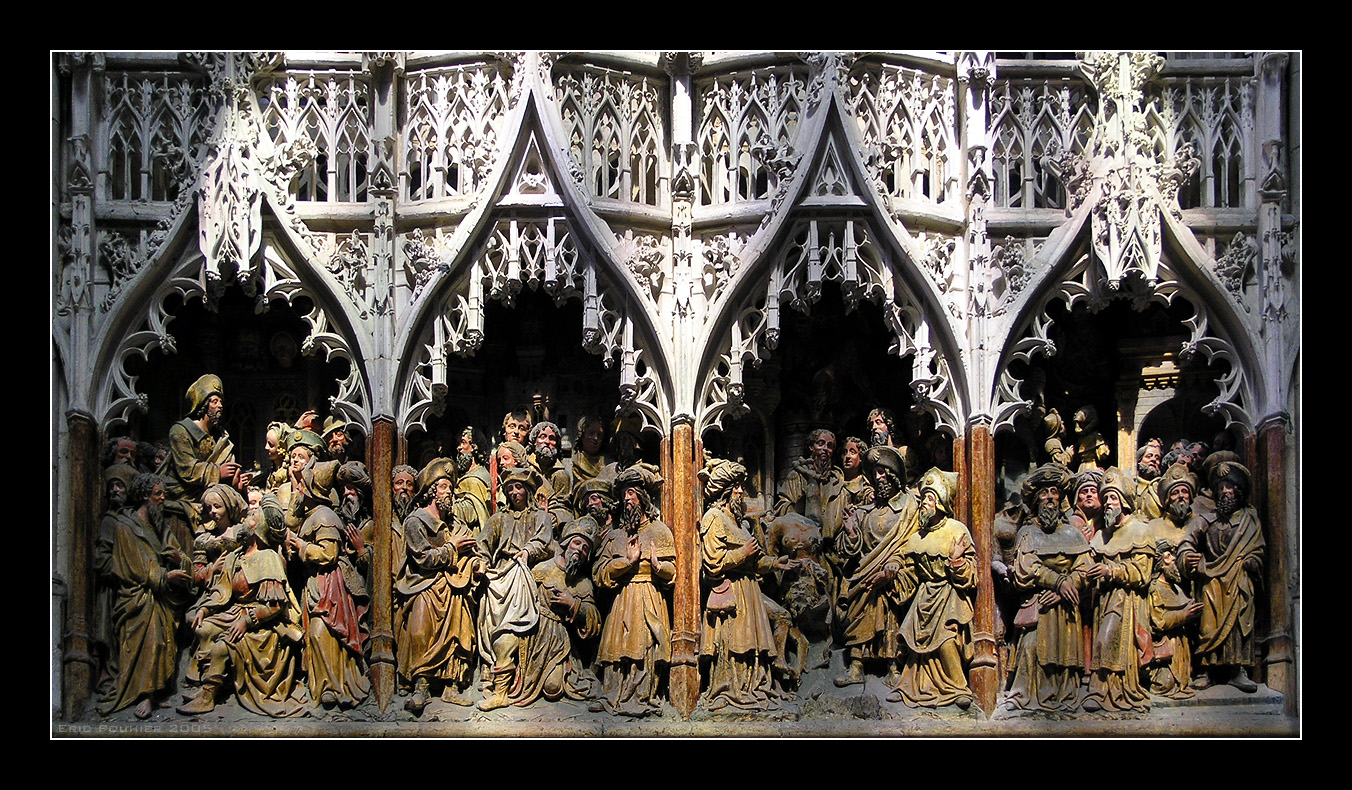
In many areas, especially Germany, Gothic art continued to be practiced until the 16th century, before being absorbed into Renaissance art. The main elements of Gothic art include sculpture, painting, stained glass, murals, and book decoration. The clear distinction between Gothic art and Renaissance art is the defining characteristic of this period of art.
Gothic sculpture began on the walls in the mid-12th century in Île-de-France, when Abbot Suger built the abbey at St. Denis, now a commune in the northern suburbs of France – around 1140, considered the first Gothic abbey.
Chartres Cathedral was also built shortly after, around 1145. Before these works, Île-de-France had no tradition of sculpture, so sculptors were invited from Burgundy.
2. Origin and History of Gothic Style
To better understand the timeless appeal of this style, we need to go back in history, exploring the birth and development of Gothic through the stages. From the magnificent cathedrals of the Middle Ages to modern buildings, the Gothic style has left a deep mark on global art and architecture.
Although Gothic architecture is known primarily for its pointed arches, its architectural features cannot be oversimplified; like any other style, it also has its own distinct technical characteristics.
There are many construction and decoration methods that have been applied. The combination of large and small columns creates rhythm for the main road, while increasing the sense of length and width. The relationship between the height and width of the main road can increase or decrease the sense of height of the dome top.
The shape of the columns, the decoration of the tops, the proportions between the floors (large arches, triforium corridors running around the main street, high windows) all contribute to the beauty of Gothic architecture:
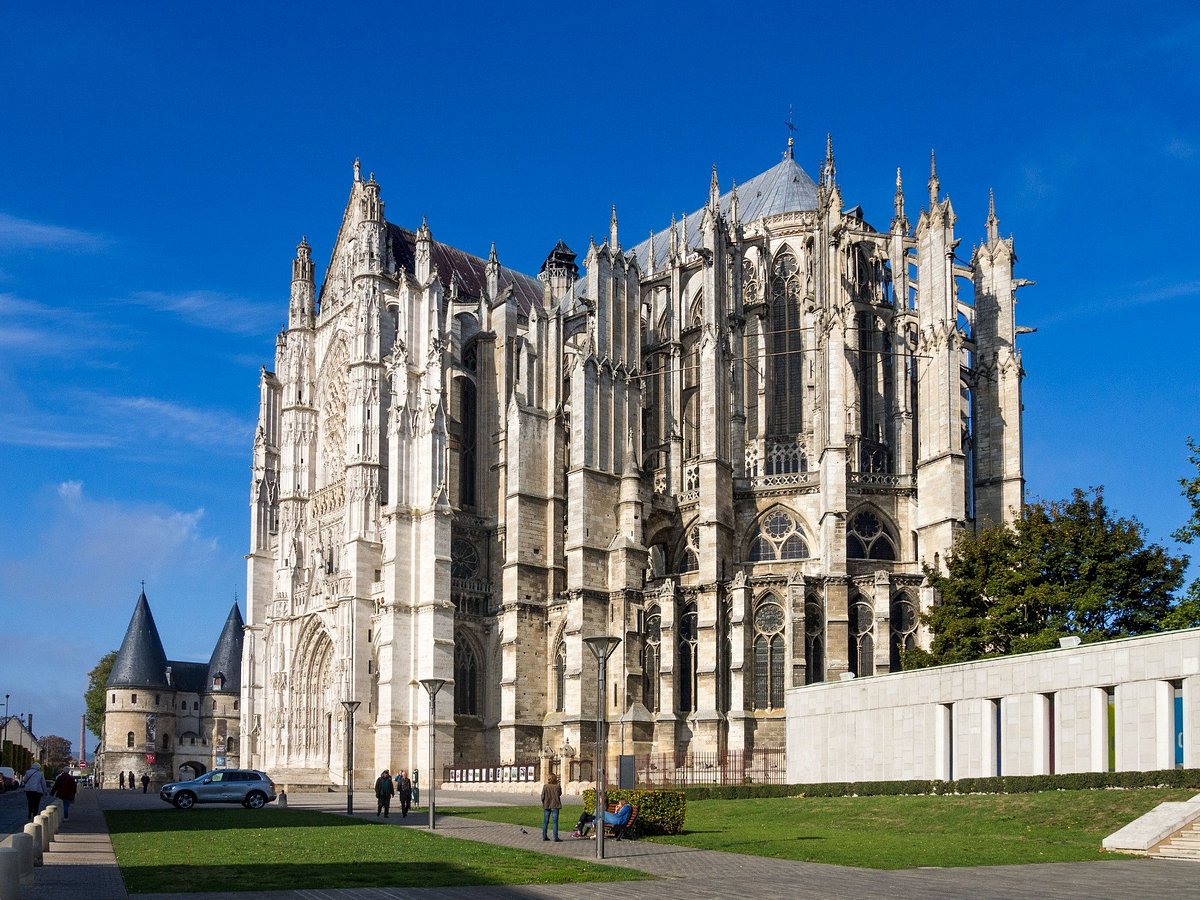
- Height (Saint-Pierre church in Beauvais) Combination of voids and architectural elements (Notre Dame de Laon church)
- Harmony in space (Saint-Étienne church in Bourges)
- Lighting and color scheme (Notre-Dame de Chartres Cathedral)
Architectural elements were introduced to serve aesthetic research. They were once only tools for research. To elevate the main road, the technique of the buttress vault was improved; to increase light and thin the walls, the use of the pointed vault was improved. The combined columns created uniformity in space and gave a sense of reasonable volume.
The Birth of Gothic Architecture in 12th Century Europe
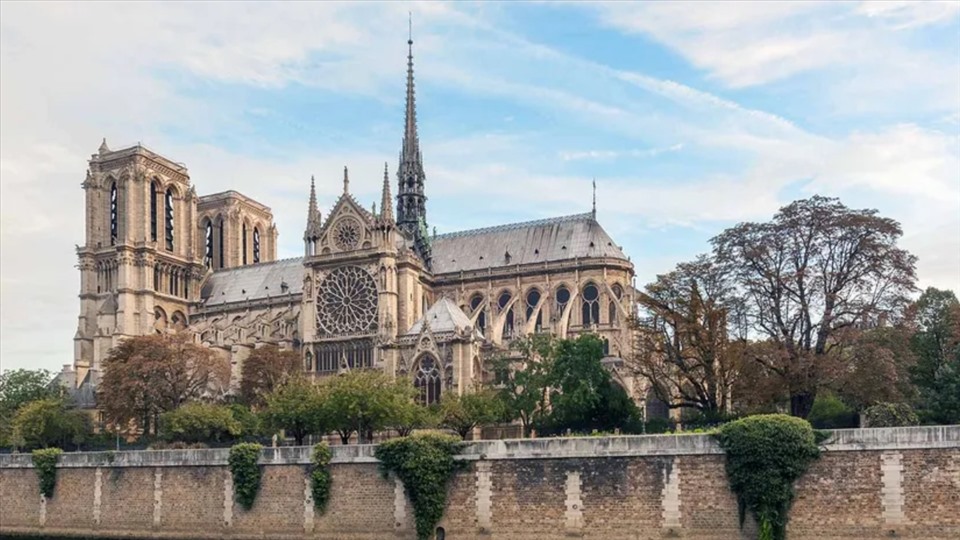
Gothic style Gothic architecture emerged around the 12th century in France, when great cathedrals such as Notre-Dame de Paris were built. The most prominent features of Gothic architecture are the combination of tall columns, pointed arches, and large stained glass windows. Gothic buildings were often religious in nature, but gradually spread to other areas such as palaces, castles, and even residential houses. This architectural style clearly demonstrated the advancement of construction techniques, allowing buildings to become taller, wider, and more aesthetically pleasing.
The Influence of Gothic Architecture on Style
The emergence of Gothic architecture created a new wave in the world of art and architecture. This style not only stopped at buildings, but also had a profound influence on fashion and interior decoration. Sharp lines, dark colors and intricate details became the hallmarks of the Gothic style.
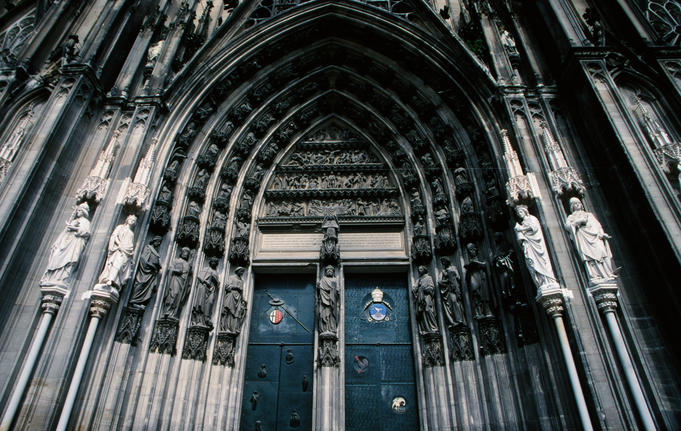
Gothic architecture is most clearly and beautifully expressed through large churches, cathedrals and some other civil works. Many church architecture models still exist today, in which even small works have a unique beauty because no two Gothic works are exactly the same. Many large works are valuable architectural masterpieces recognized by UNESCO as World Cultural Heritage.
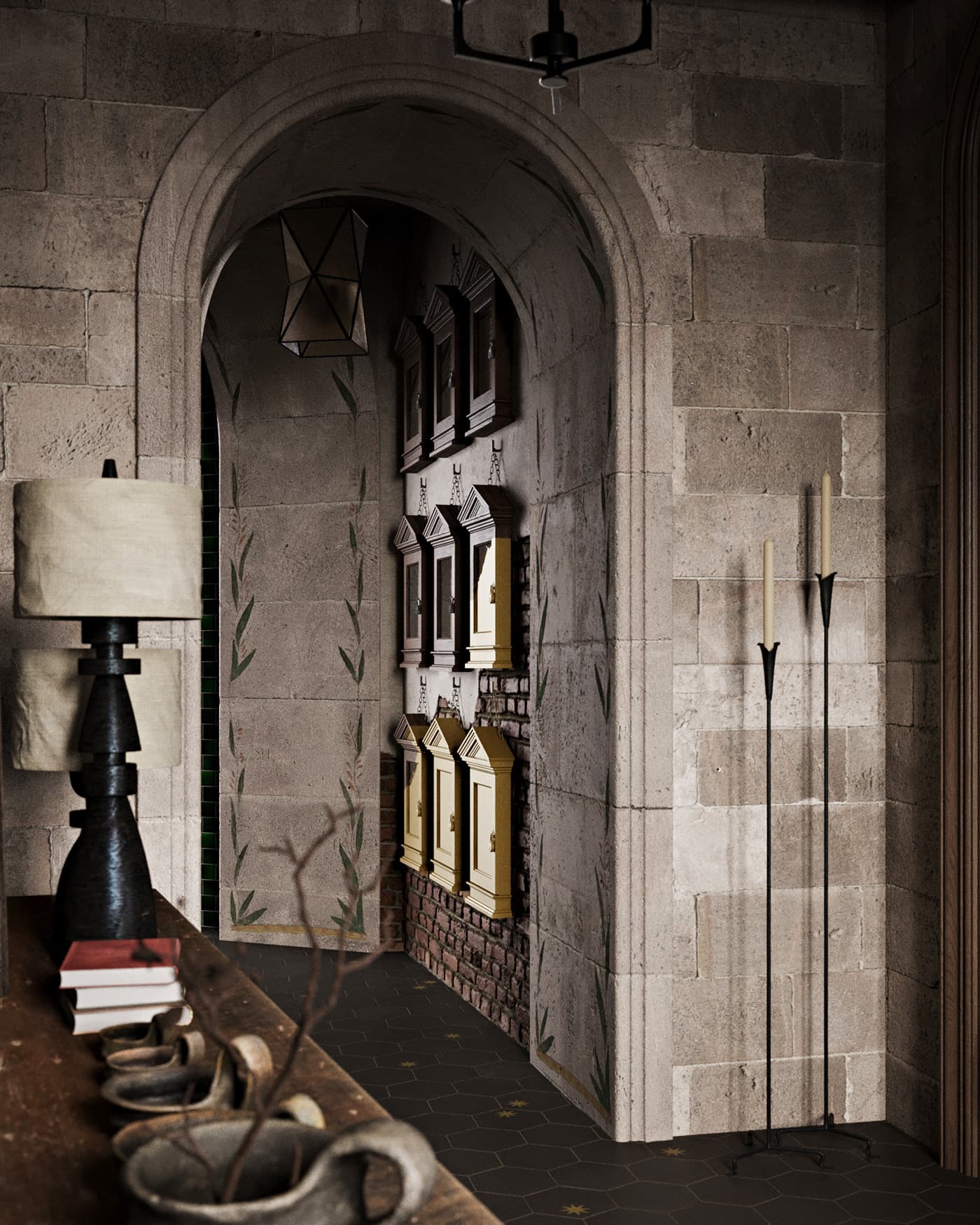
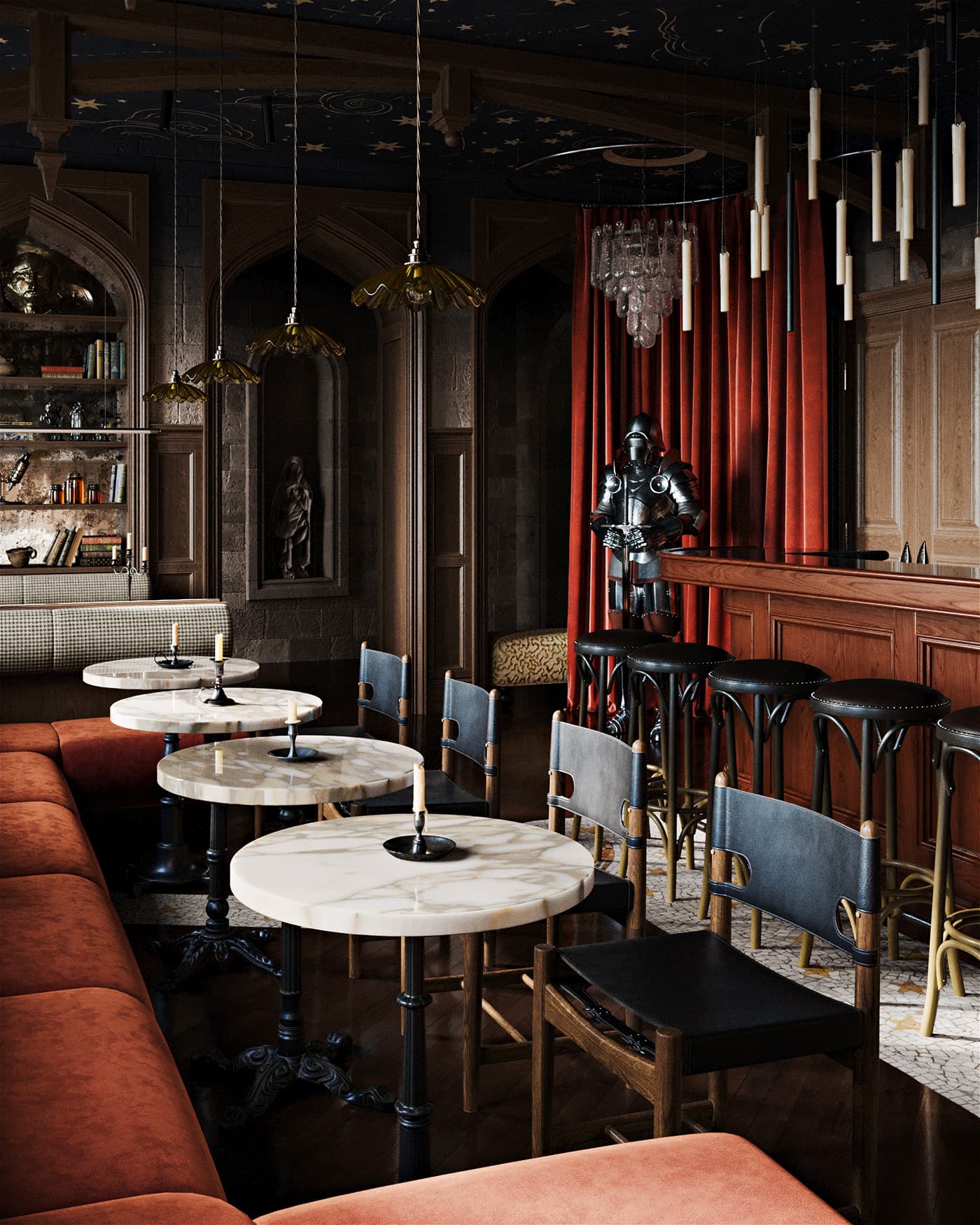
The Development of Gothic Style Through Historical Periods
Over time, the Gothic style continued to develop and spread throughout Europe. From church architecture, this style gradually penetrated into interior design and decoration. By the 19th century, the Gothic style had undergone a period of revival (Gothic Revival), when it was revived and continued to develop, creating a profound influence on modern design.
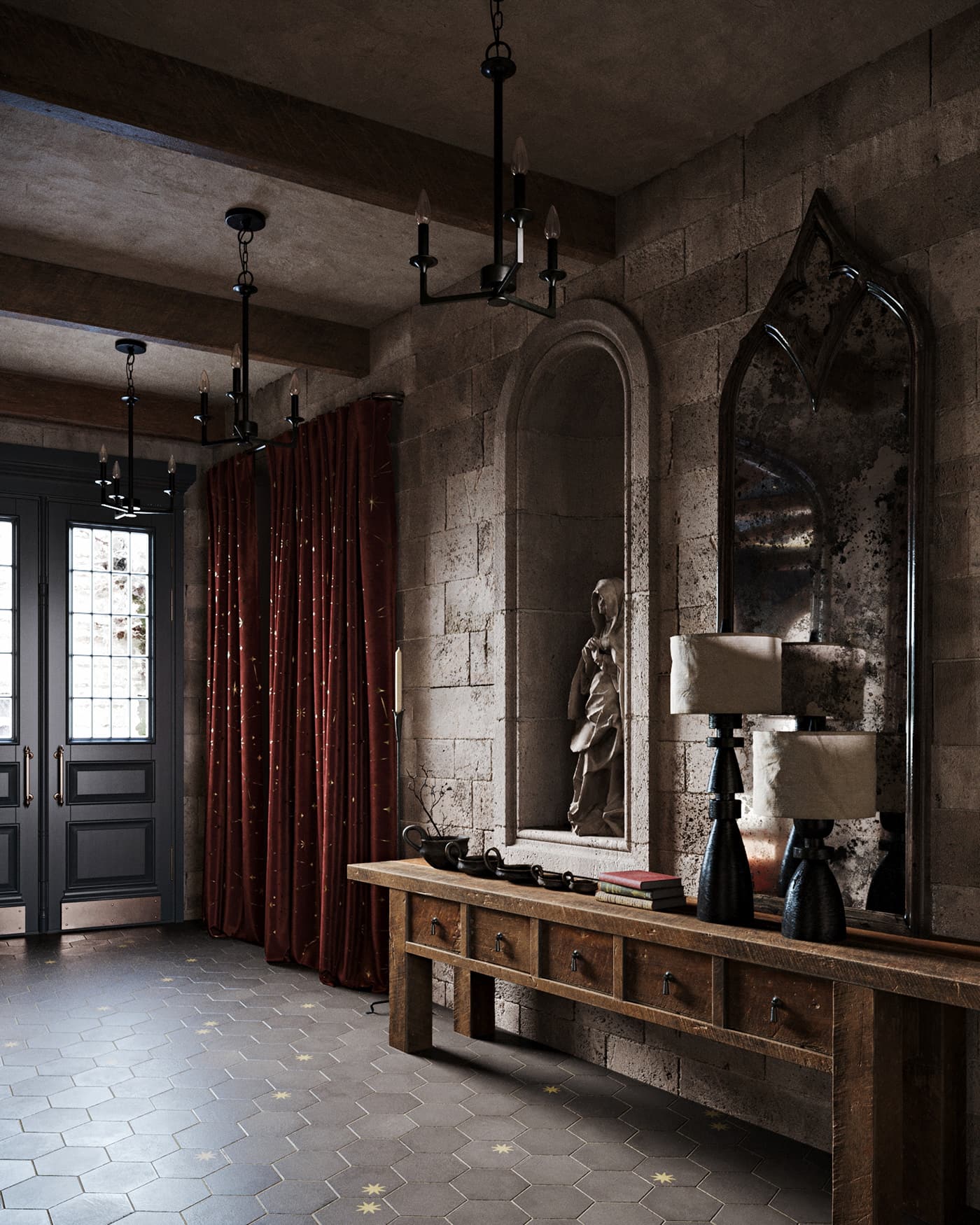
- primitive gothic (Early Gothic): This is the initial period of Gothic architecture, characterized by new technical elements applied from the previous century. The first typical buildings include the Saint-Denis church and the Saint-Étienne cathedral in Sens.
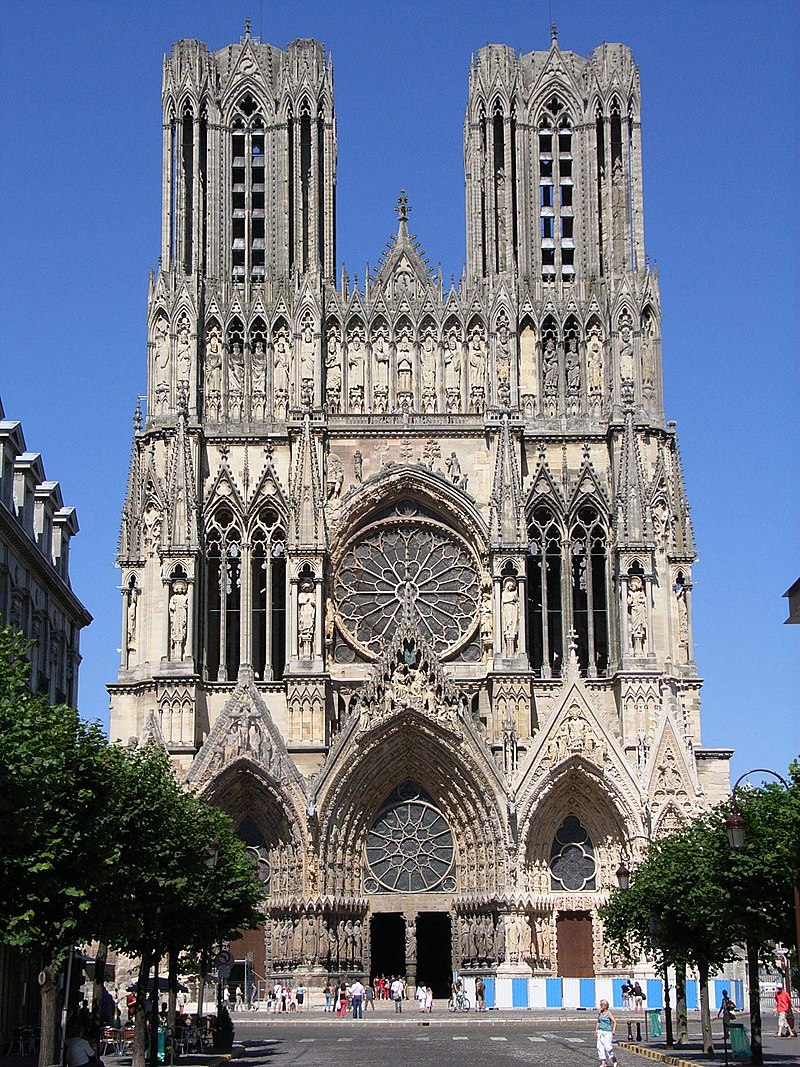
- Gothic classic (Classical Gothic): This style developed in the 12th and 13th centuries, and is notable for its balance of form and scale. Great cathedrals such as Reims and Amiens were built in this style.
- Gothic Rayon (Light Gothic): This name comes from the use of large windows to take advantage of natural light, as at the Saint-Denis church in 1231. The windows were maximized and became the highlight of the architecture.
- Gothic flamboyant (Flaming Gothic): This period is characterized by soft, flame-like decorative motifs. Buildings during this period are highly aesthetic, with delicate and creative details.
3. Outstanding Features of Gothic Style
The Gothic style is known for its harmonious combination of classical architectural elements and mysterious features. From colors to materials, every detail contributes to creating a captivating Gothic space.
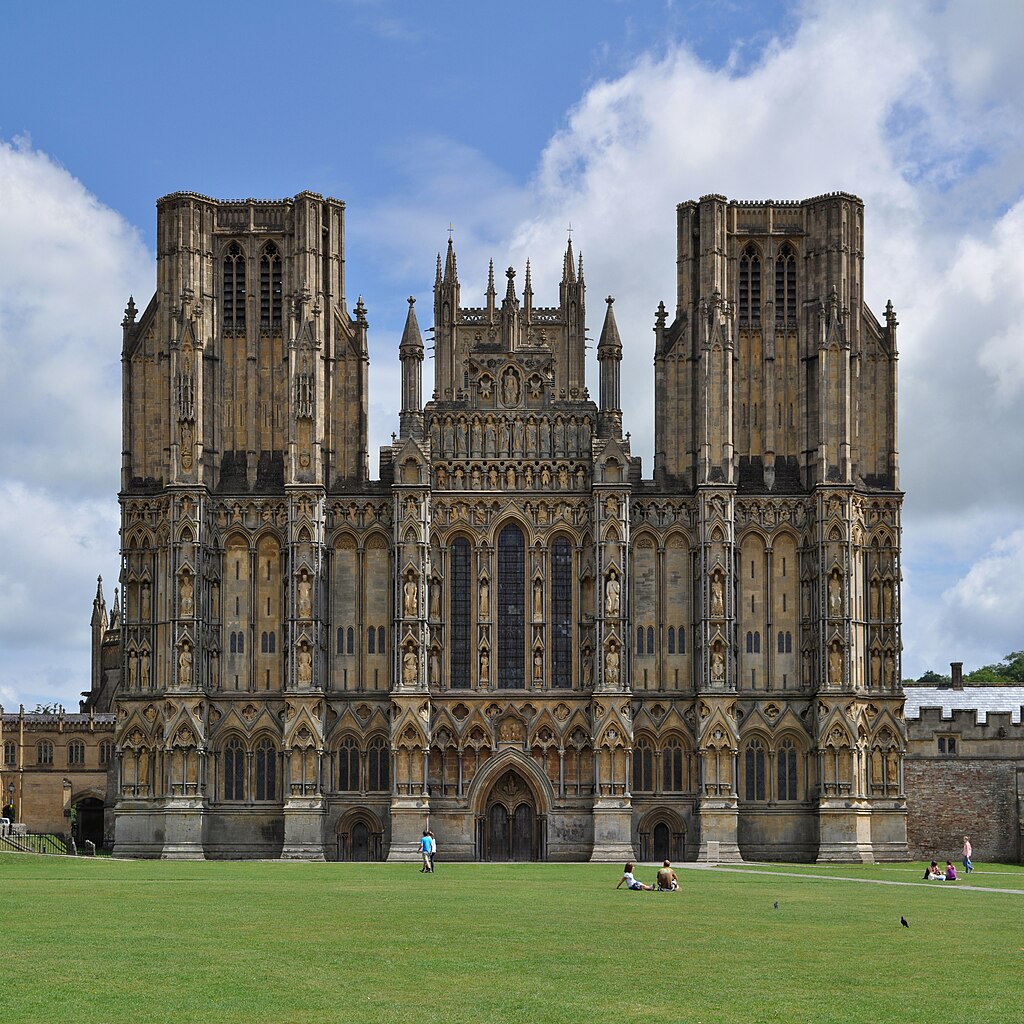
The Italians of the Renaissance called the Gothic style “Gothic”. It was originally known as the Francigenum Opus, meaning “French work”, referring to the method of construction in the Île-de-France region. The term “Gothic” originally had a negative connotation. It was derived from the name of the Goths, who were considered “barbarians” by the Romans. Gothic architecture was therefore seen as a barbarian product because it marked a break with Greco-Roman techniques and aesthetics.
However, most archaeologists and art historians disagree with this view and believe that Gothic architecture is essentially a further development of the previous Romanesque architecture, not a break.
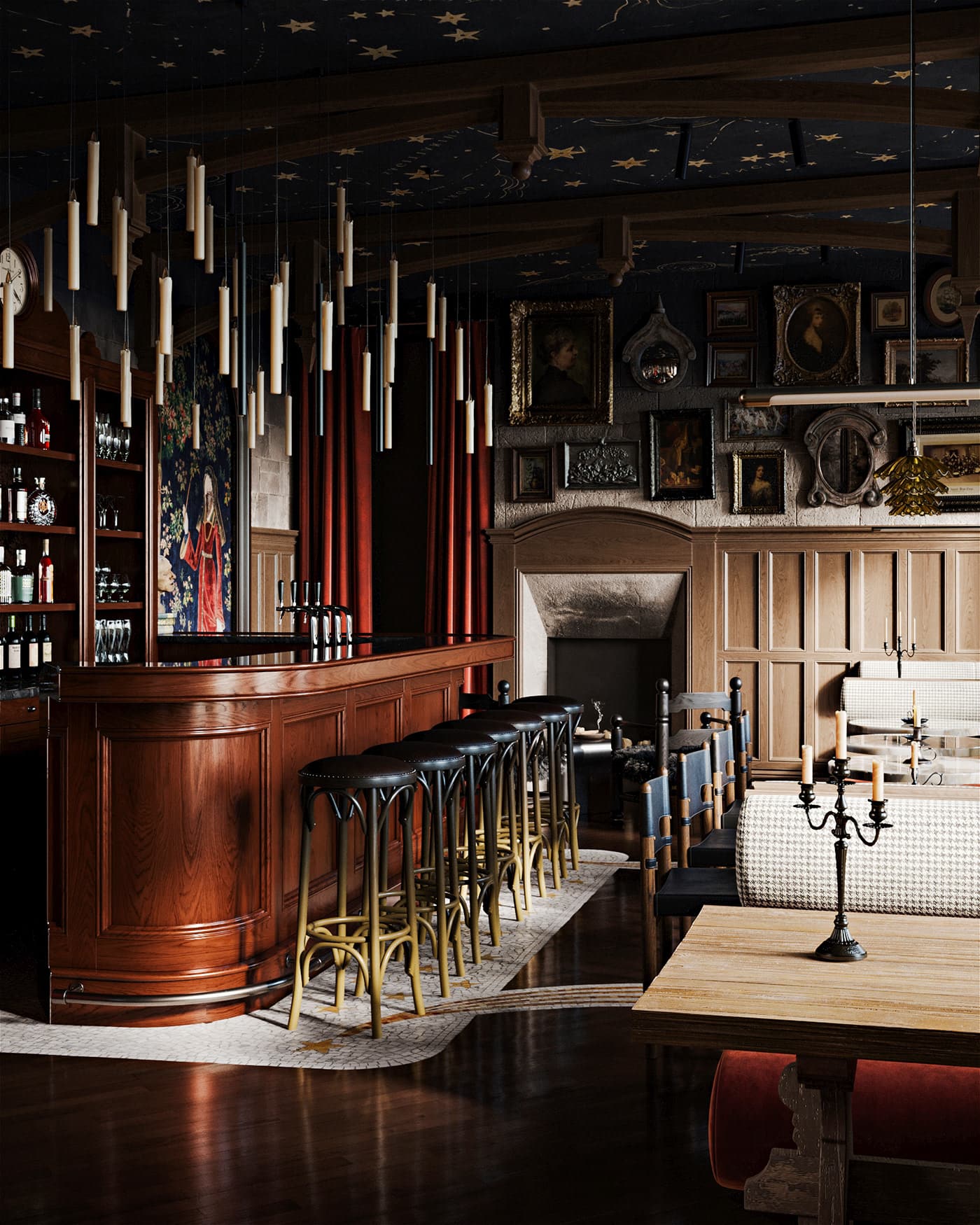
Dark, calm colors, soft lighting, sturdy materials and delicate decorative accessories are indispensable highlights of this style. Gothic style not only enhances the ancient beauty but also brings a mysterious space, clearly expressing the artistry and unique personality in the design.
3.1 Dark Colors
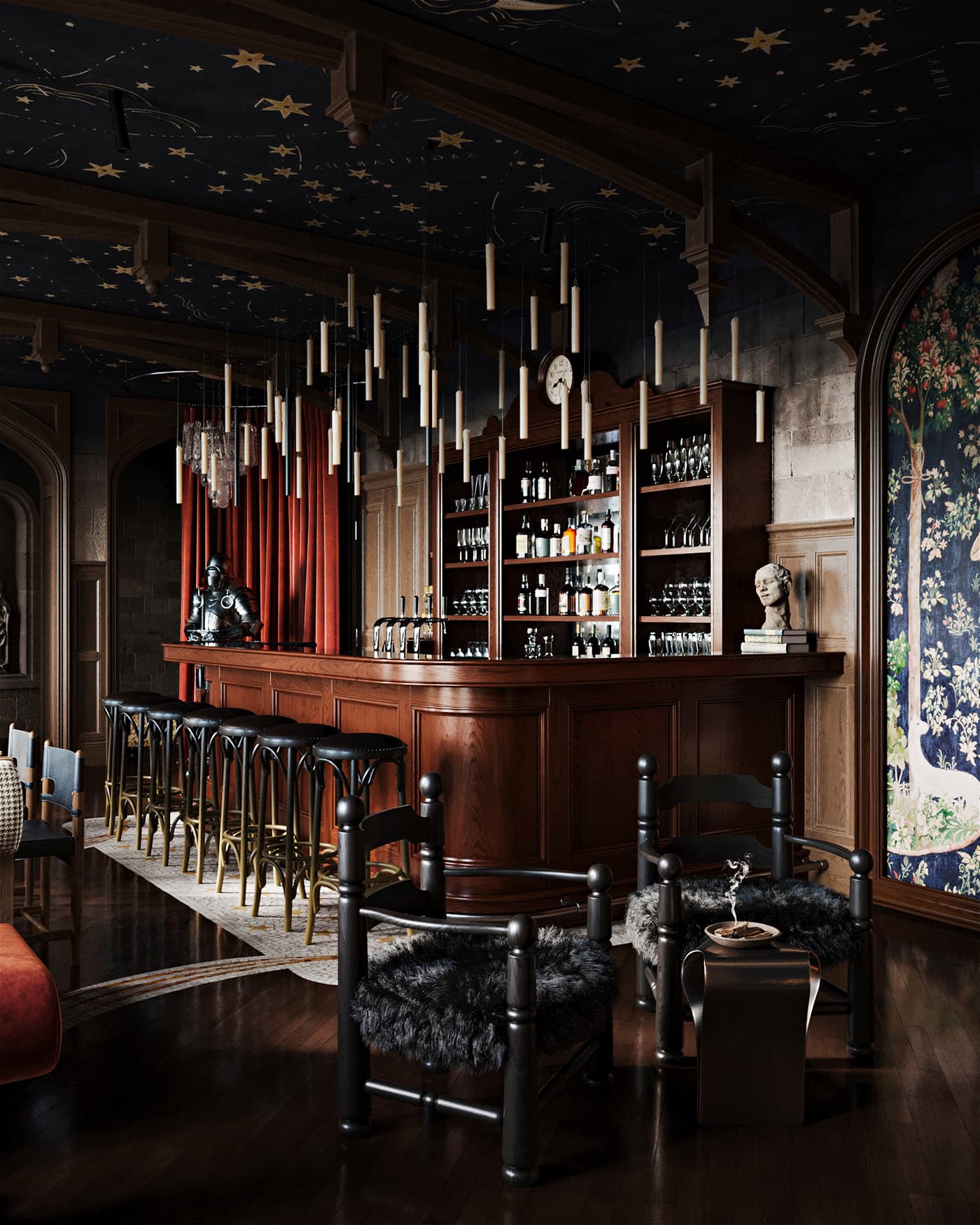
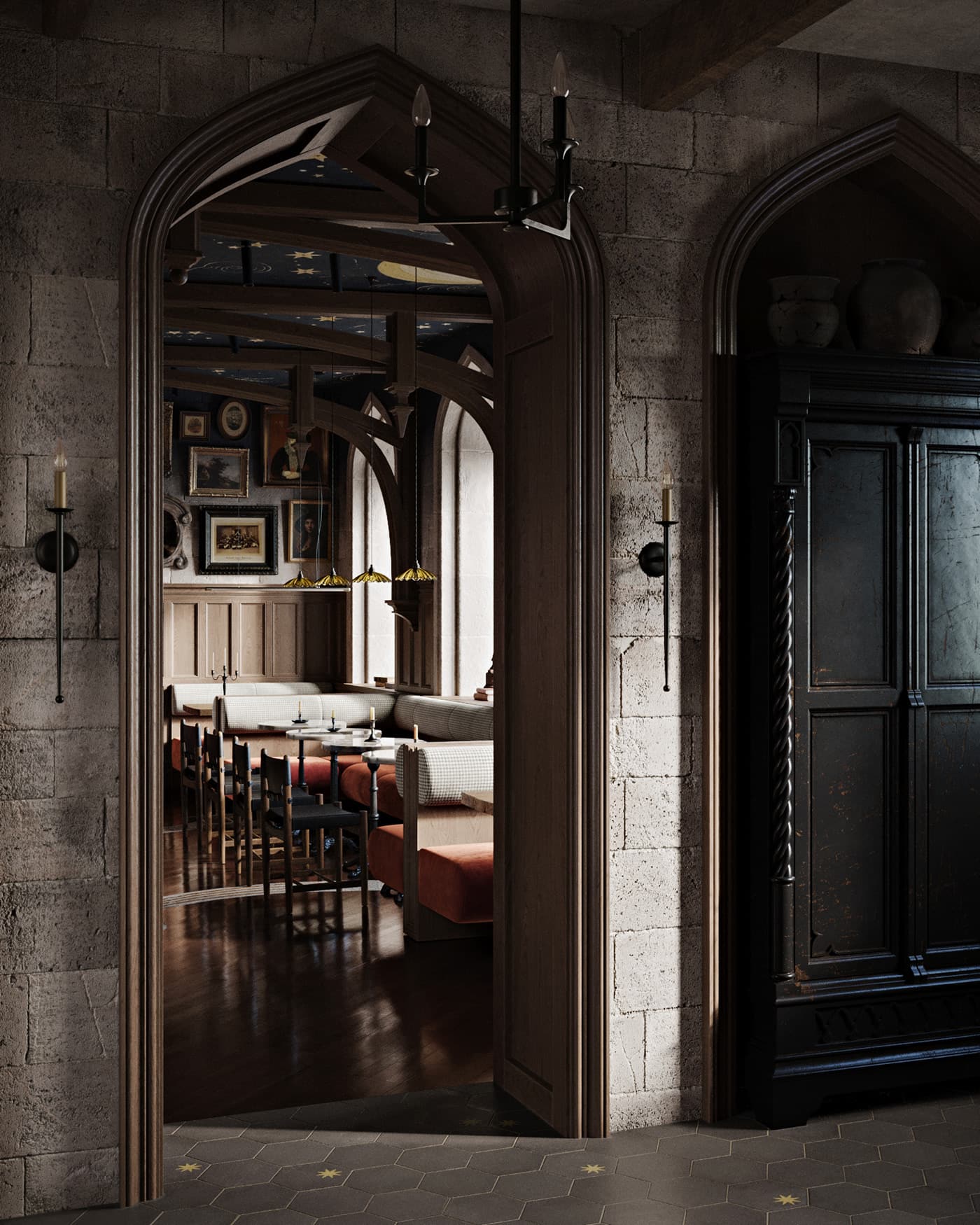
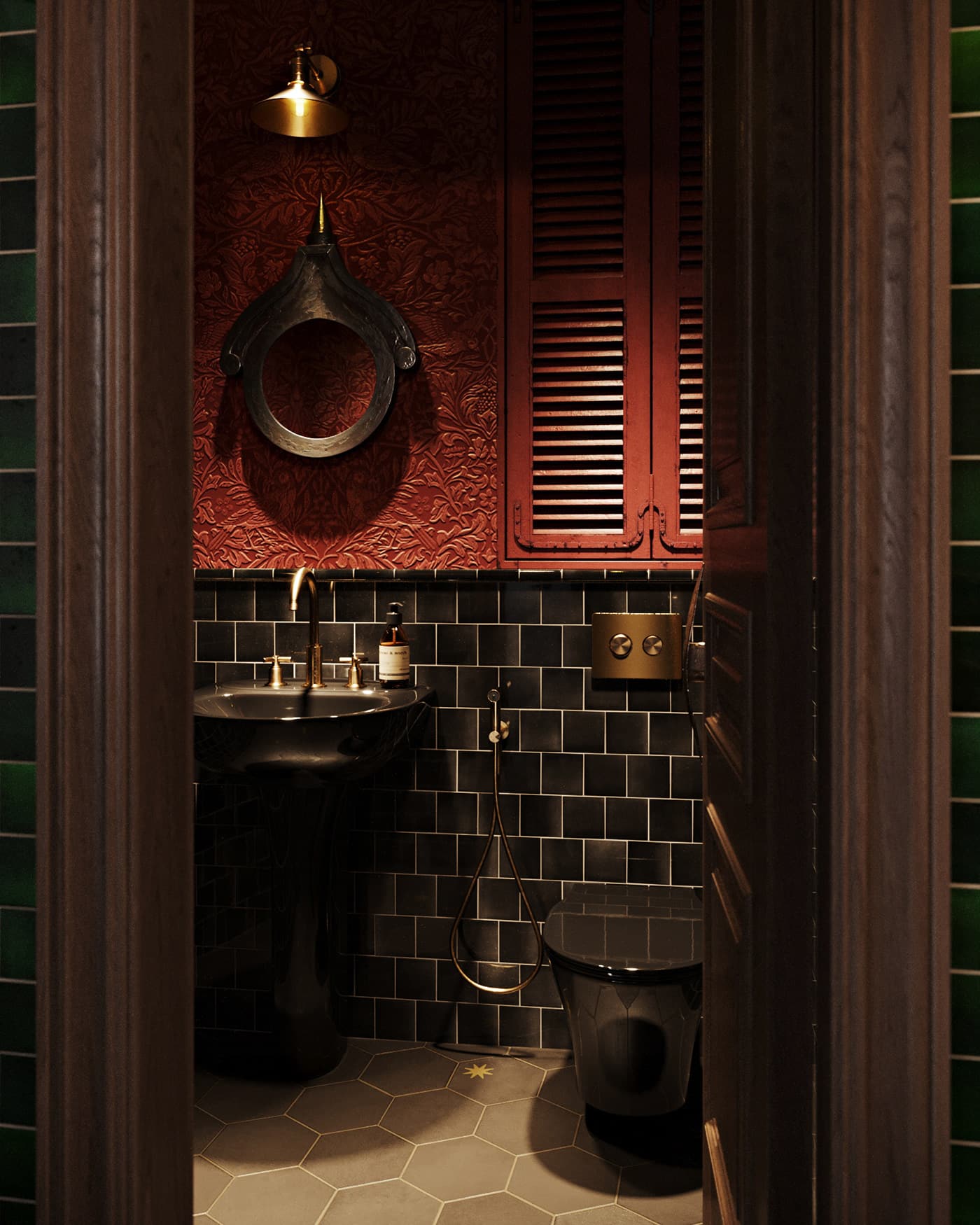
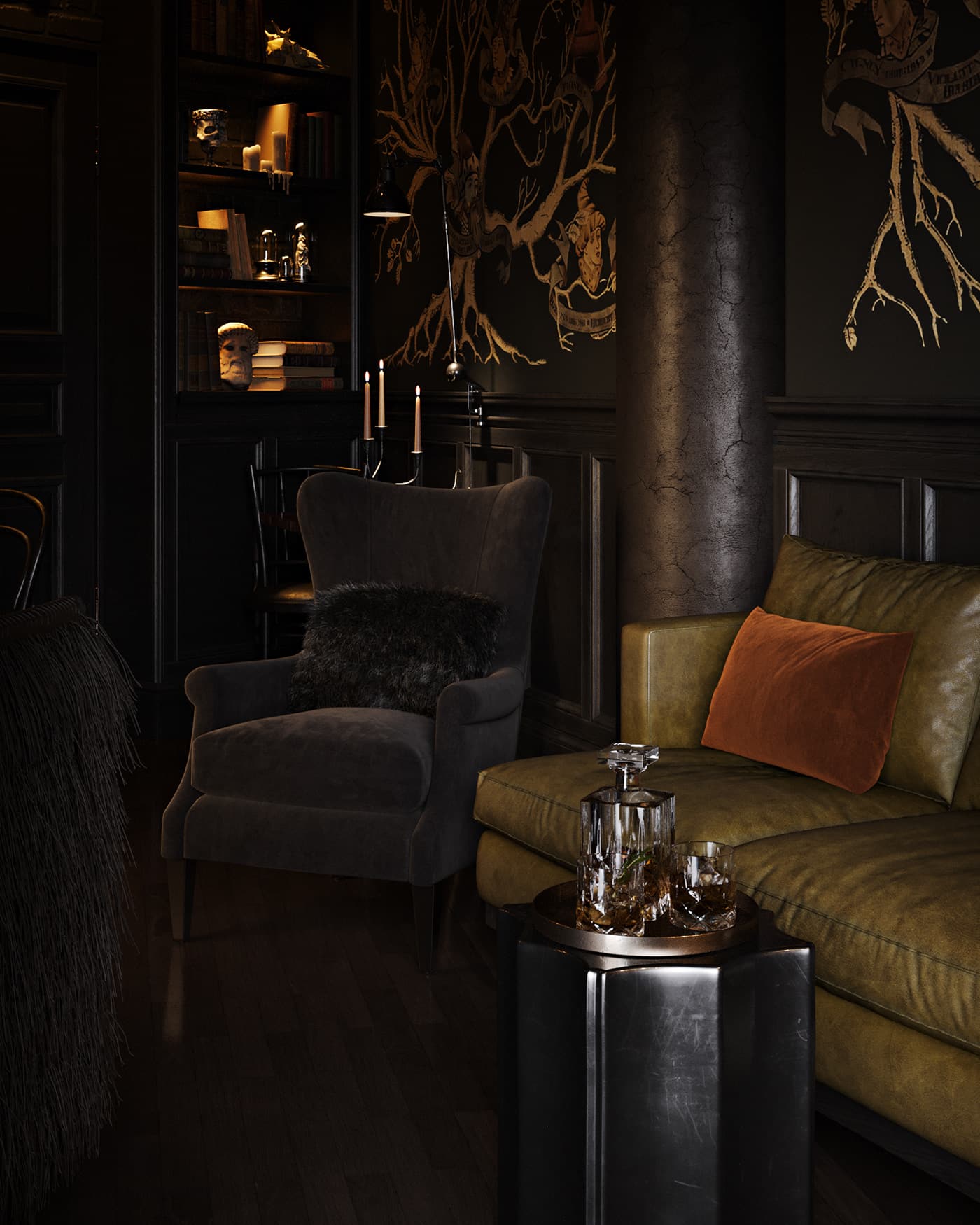
Gothic style is always associated with dark colors like black, dark purple, dark blue and grayDark colors not only create a mysterious, attractive space but also help highlight interior decoration details.
The Importance of Color in Gothic Space
In the Gothic style, color plays an important role in creating a mysterious and solemn space. Dark colors help to increase the depth of the space, highlighting architectural and interior details.
Color Schemes Commonly Used In This Style
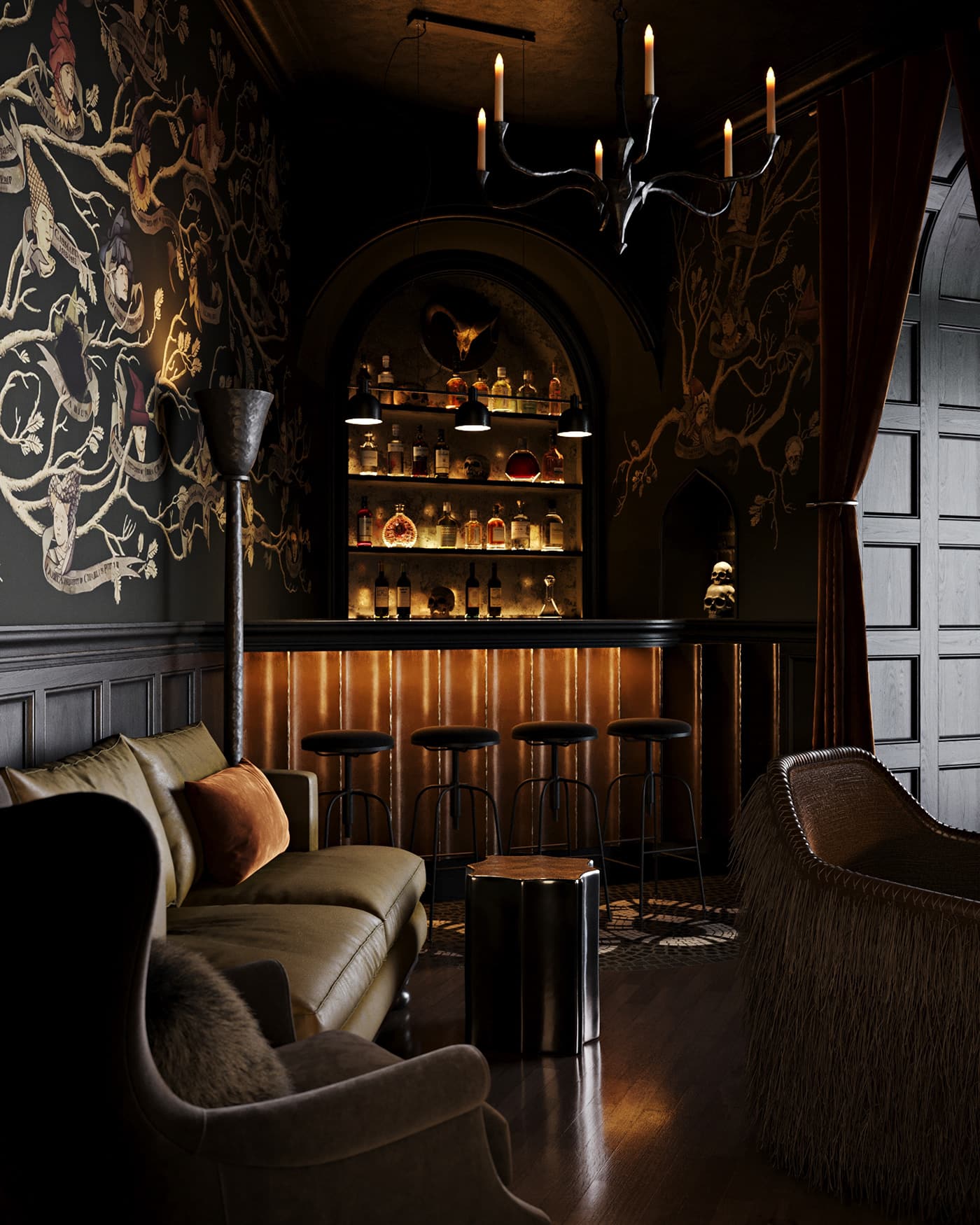
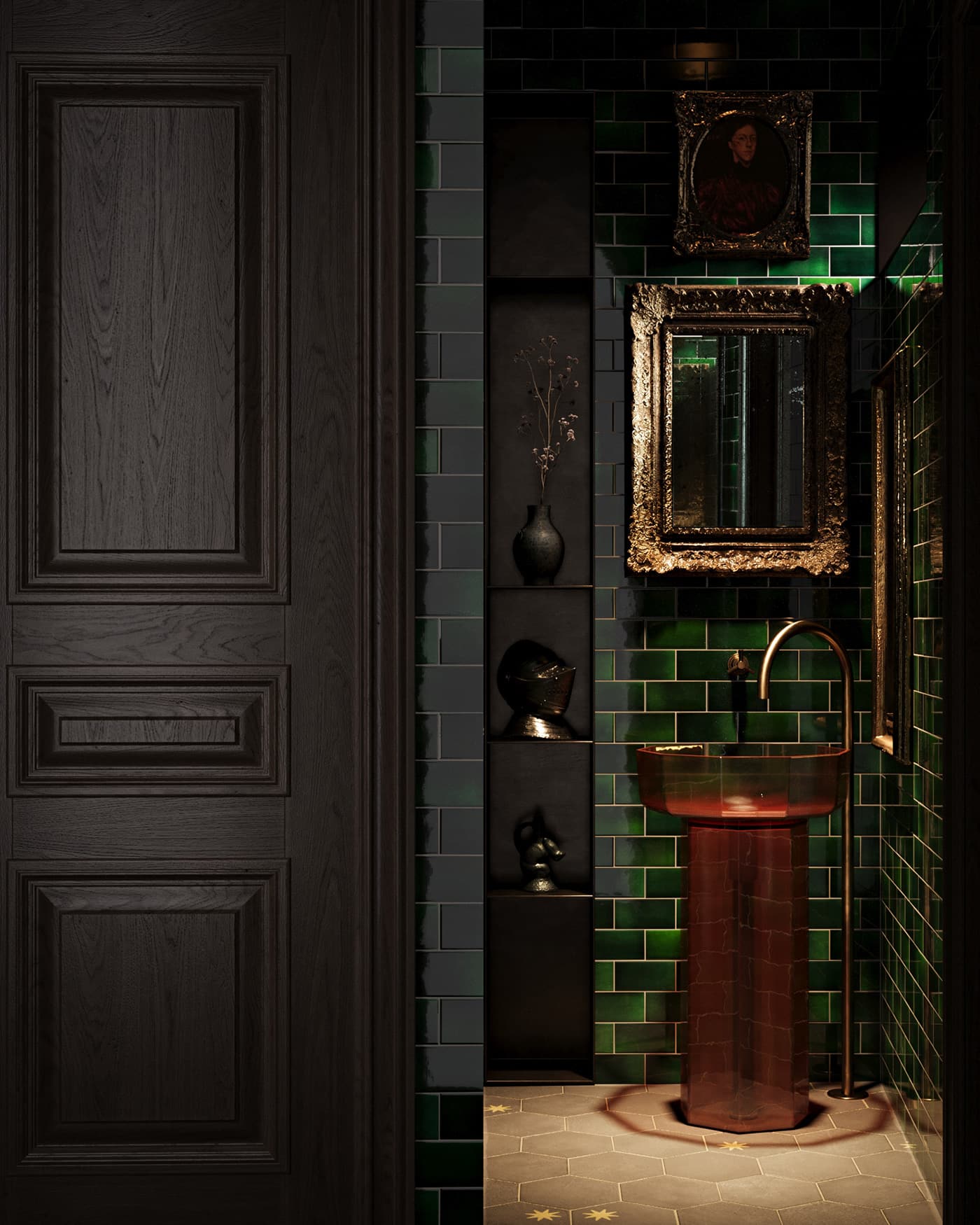
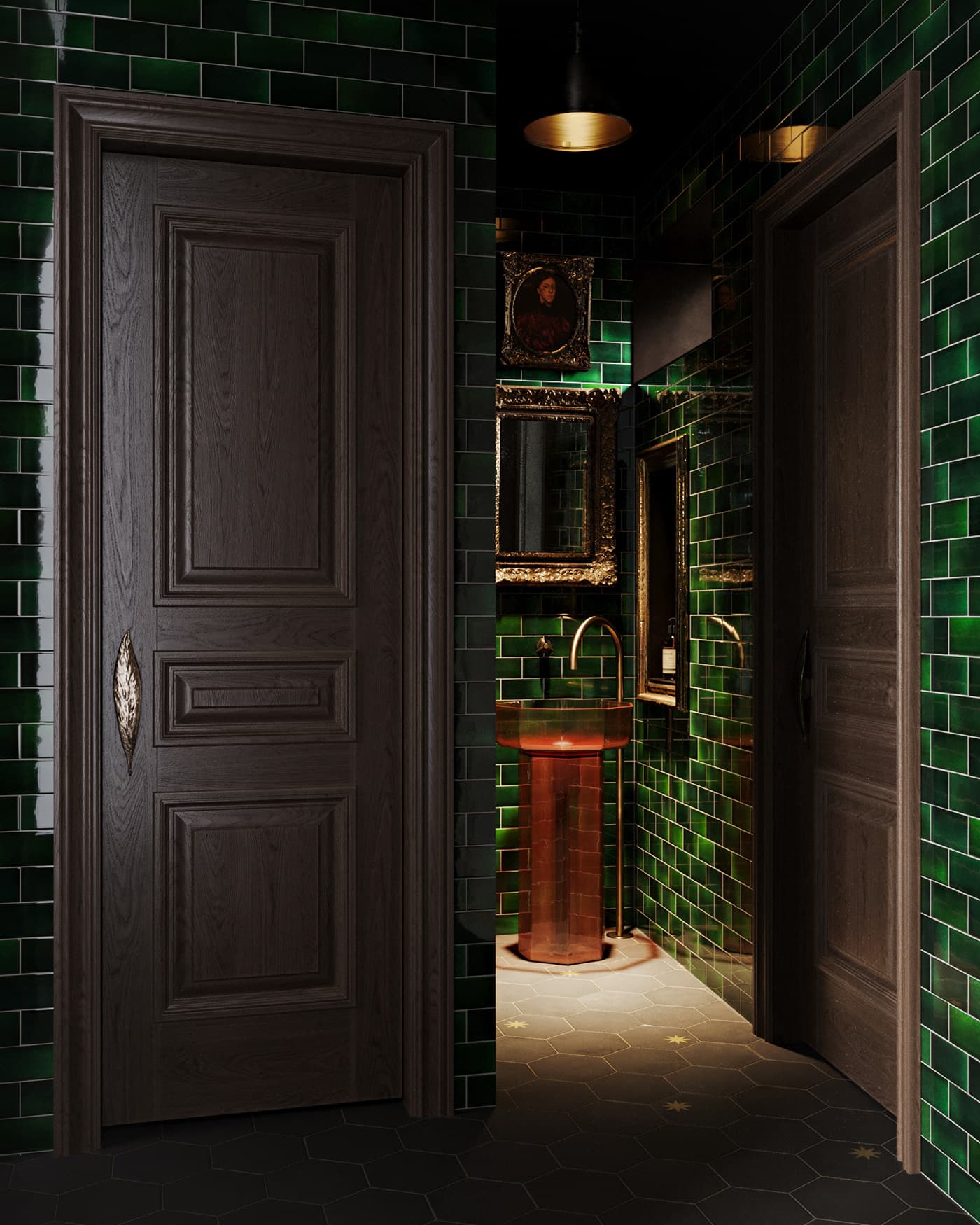
Popular colors in the Gothic style include black, dark purple, dark green, gray, and silver. The combination of these colors not only creates a luxurious space but also brings a classic, noble feeling.
3.2 Use of Limited Light
Light in Gothic style is often used sparingly to create a mysterious, ghostly space.
The Role of Light in Creating a Mysterious Space
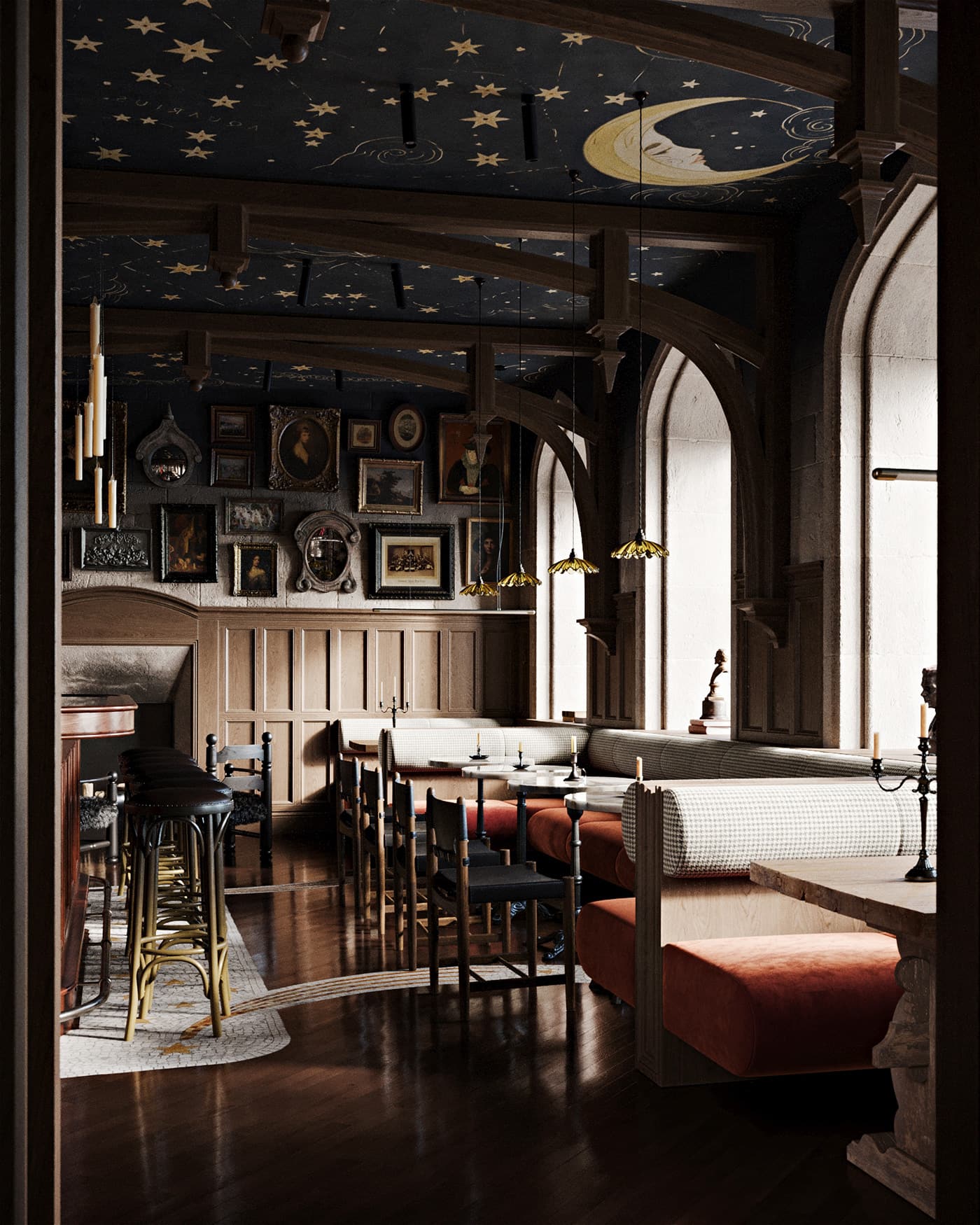
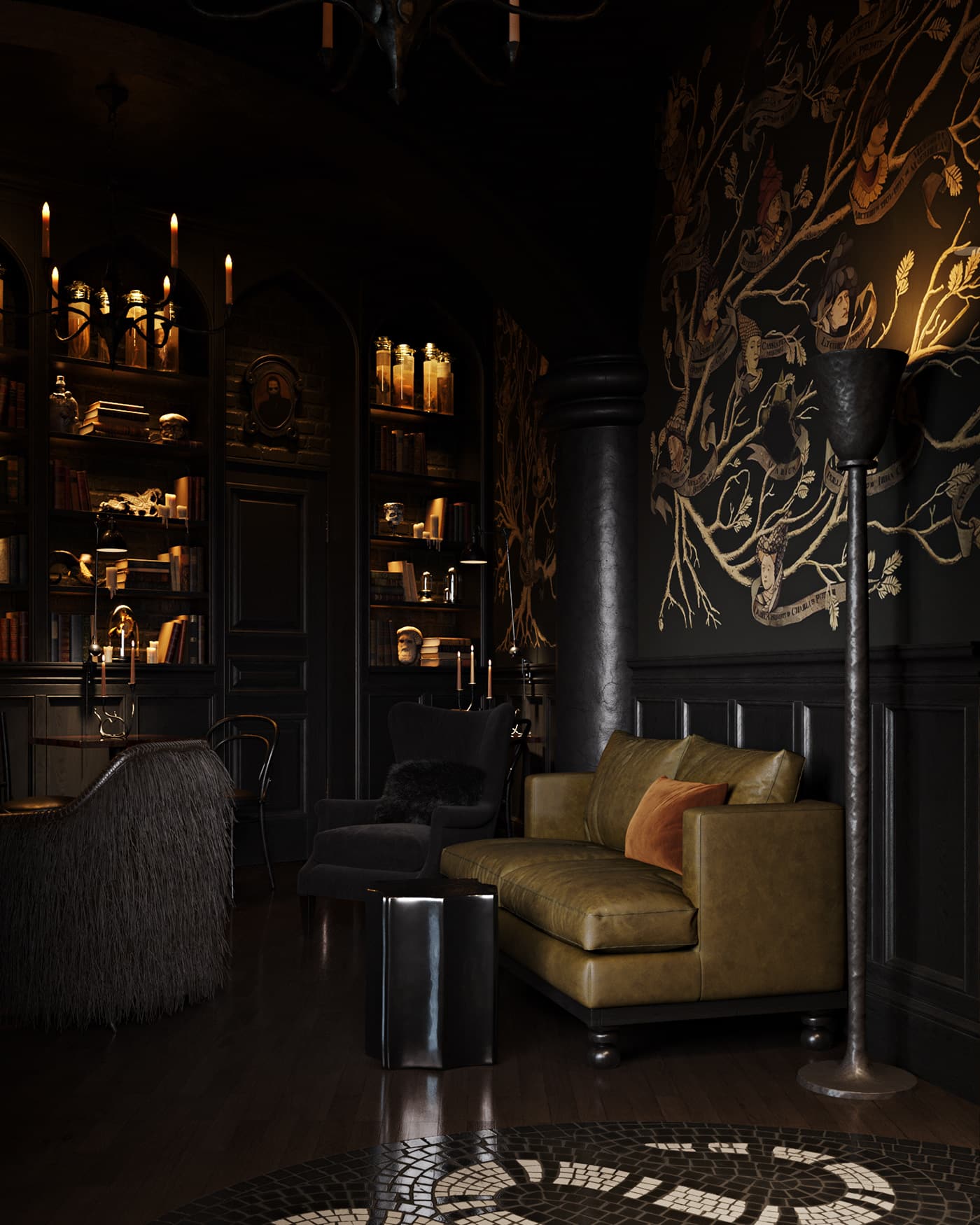
Lighting plays an important role in highlighting the architectural and interior elements of the Gothic style. Soft light, combined with shadows, creates an impressive visual effect.
How to Use Chandeliers and Candles to Create Accents
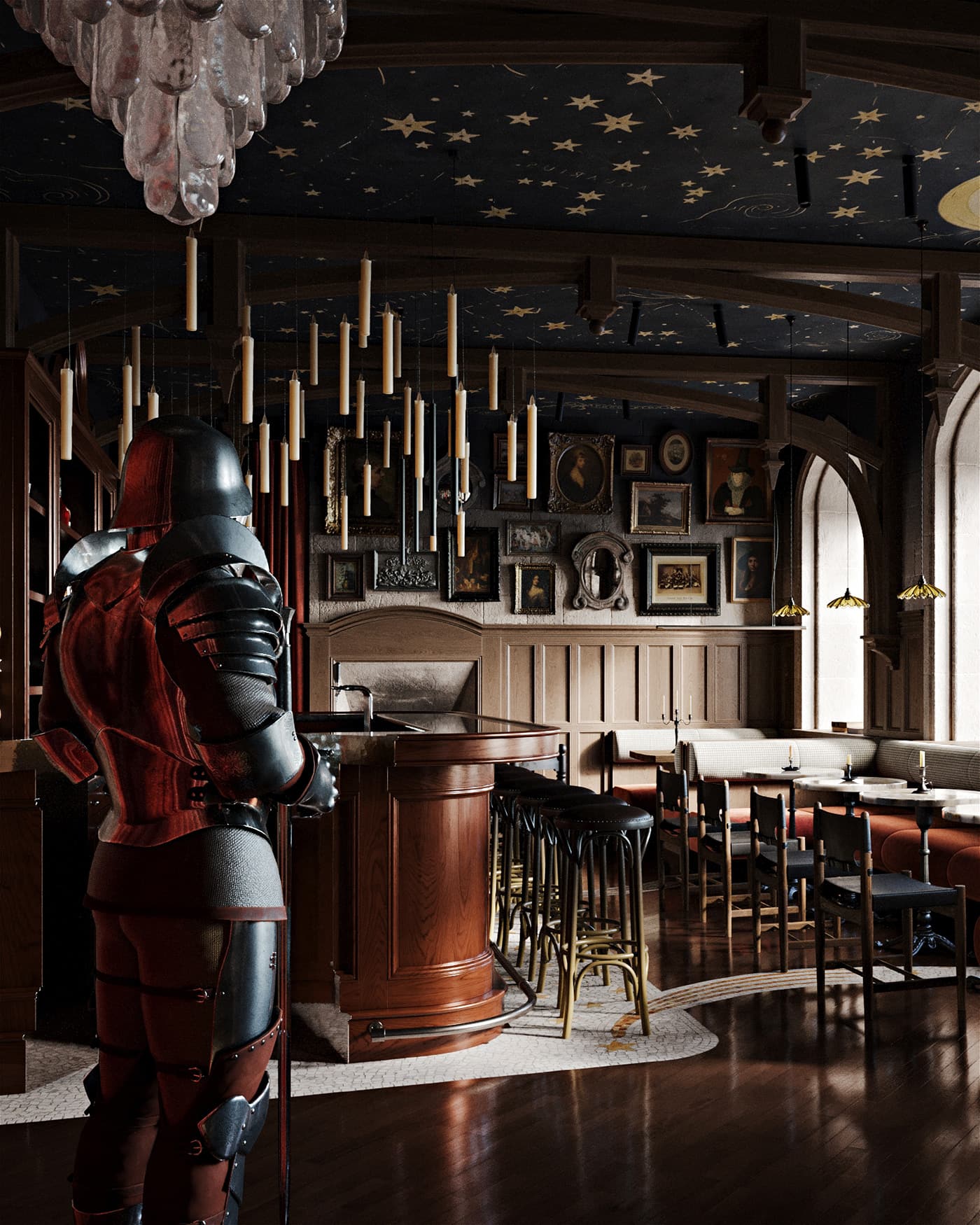
Large, classic chandeliers or candlelight are used to illuminate Gothic spaces. The reflection of light from the chandeliers highlights the large space and creates a sense of grandeur.
3.3 Materials and Lines of the Interior
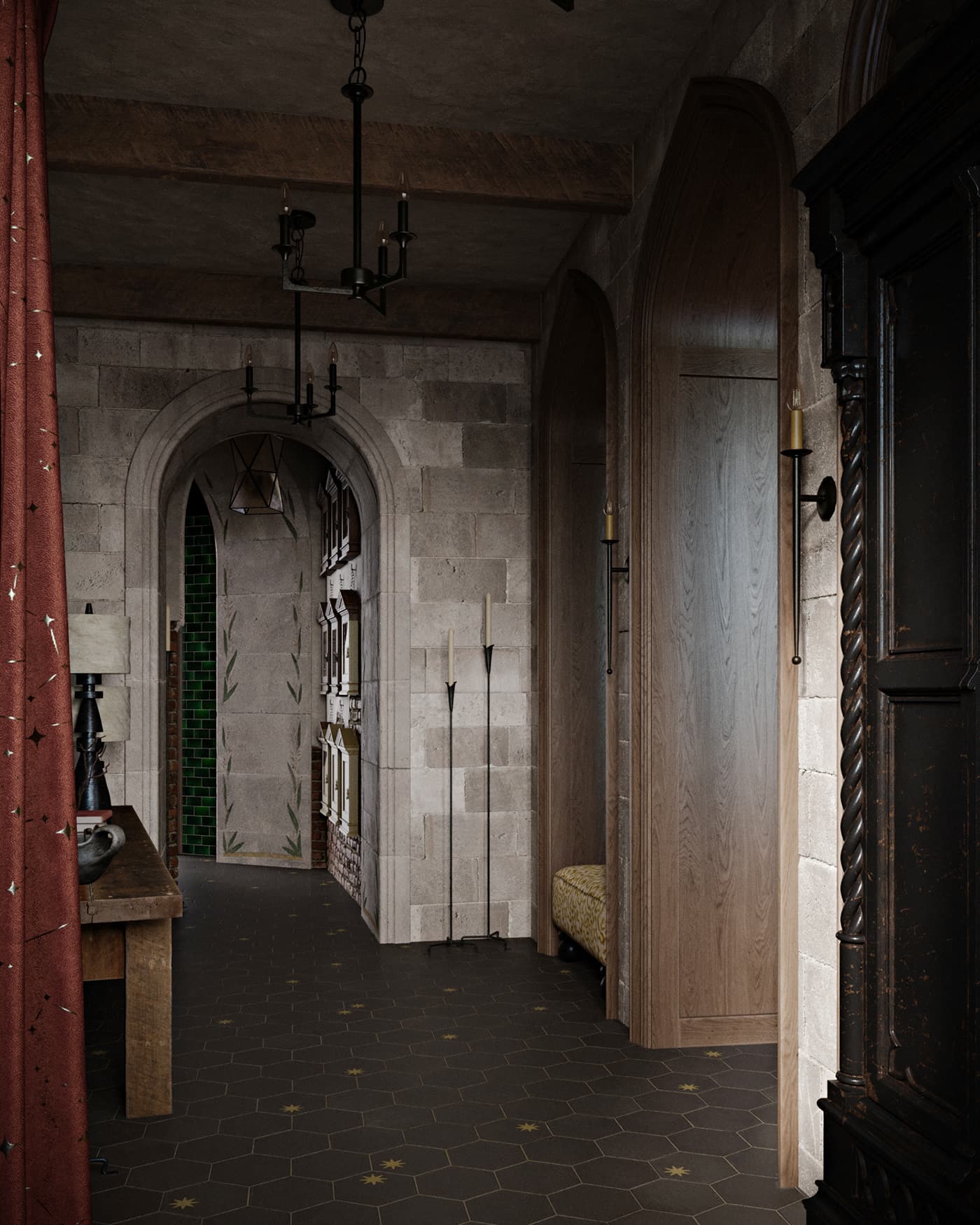
The Gothic style uses many natural and durable materials such as oak, metal, and natural stone.
Popular Materials: Oak, Metal, Natural Stone
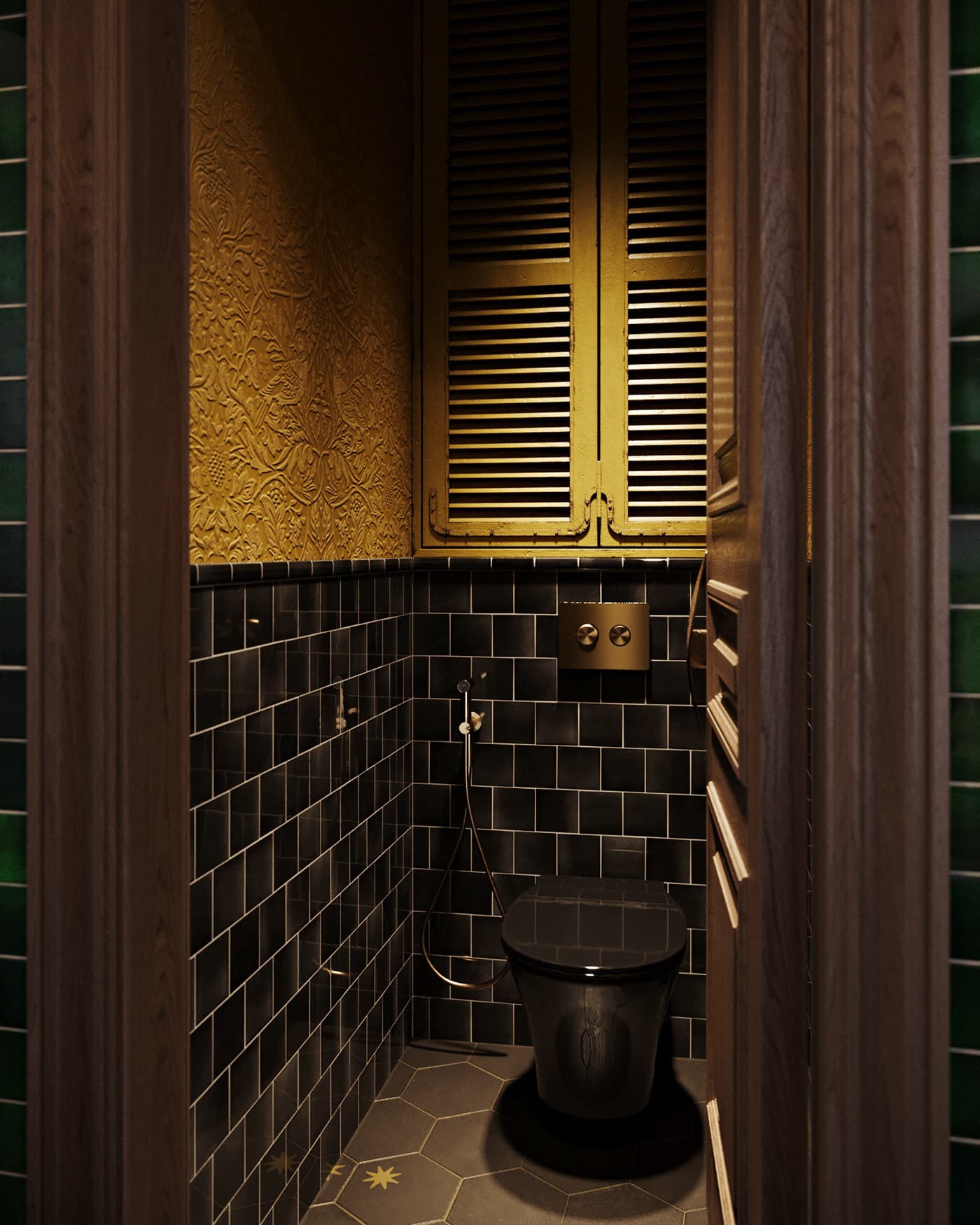
Popular materials in the Gothic style include dark oak, natural stone, and dark metals. Oak with its dark color and clear grain creates a luxurious, sturdy look, while metal and stone details give a sense of solidity and stability.
Sharp, Strong Interior Lines
Gothic interiors often feature sharp, strong lines with delicate carvings. The sharp, perfectly symmetrical curves in the designs help to enhance the solemn, mysterious look of the space.
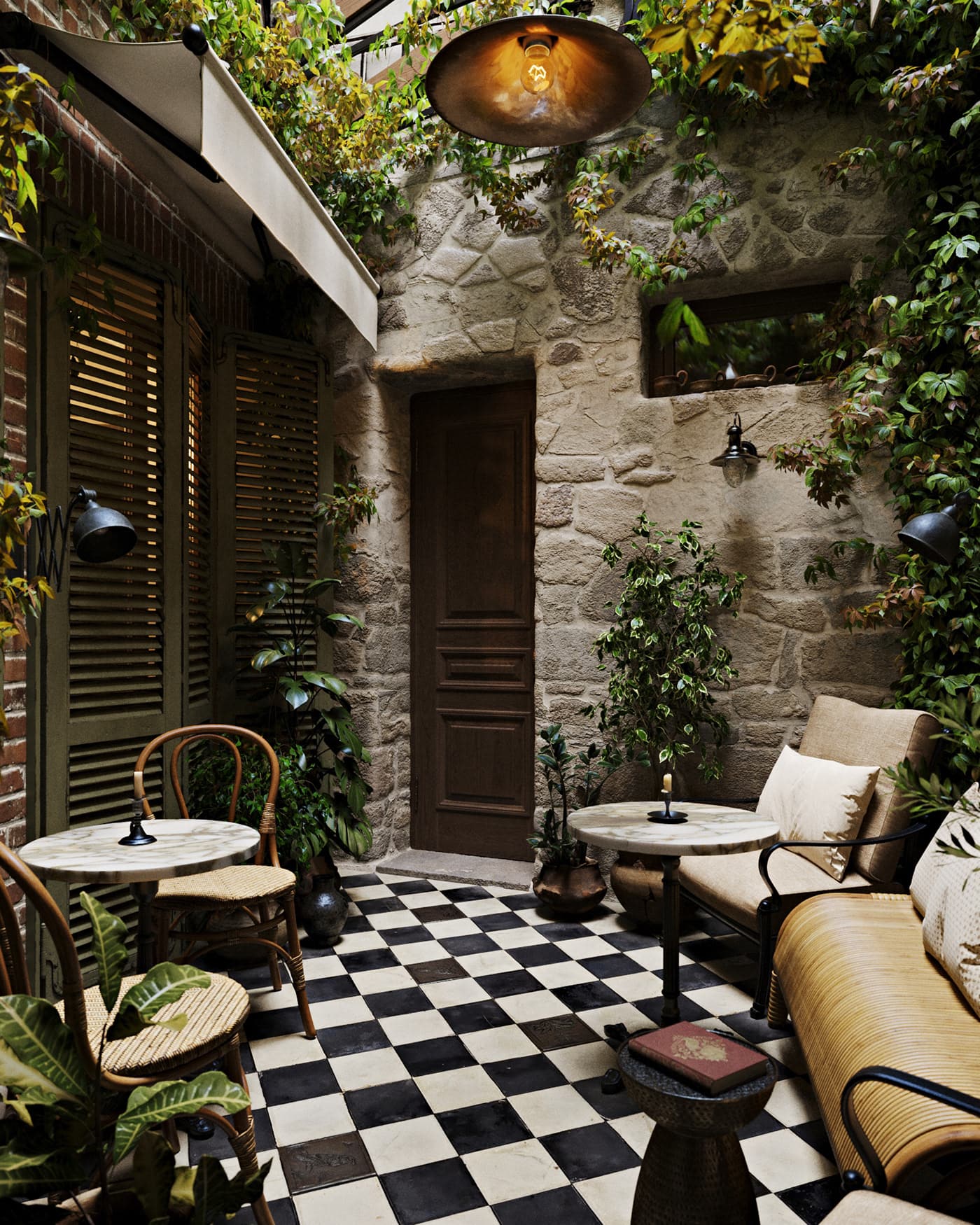
3.4 Decorative Accessories
Decorative accessories are an indispensable part in creating a complete Gothic style.
Featured Decorative Accessories: Antique Mirrors, Chandeliers, Picture Frames
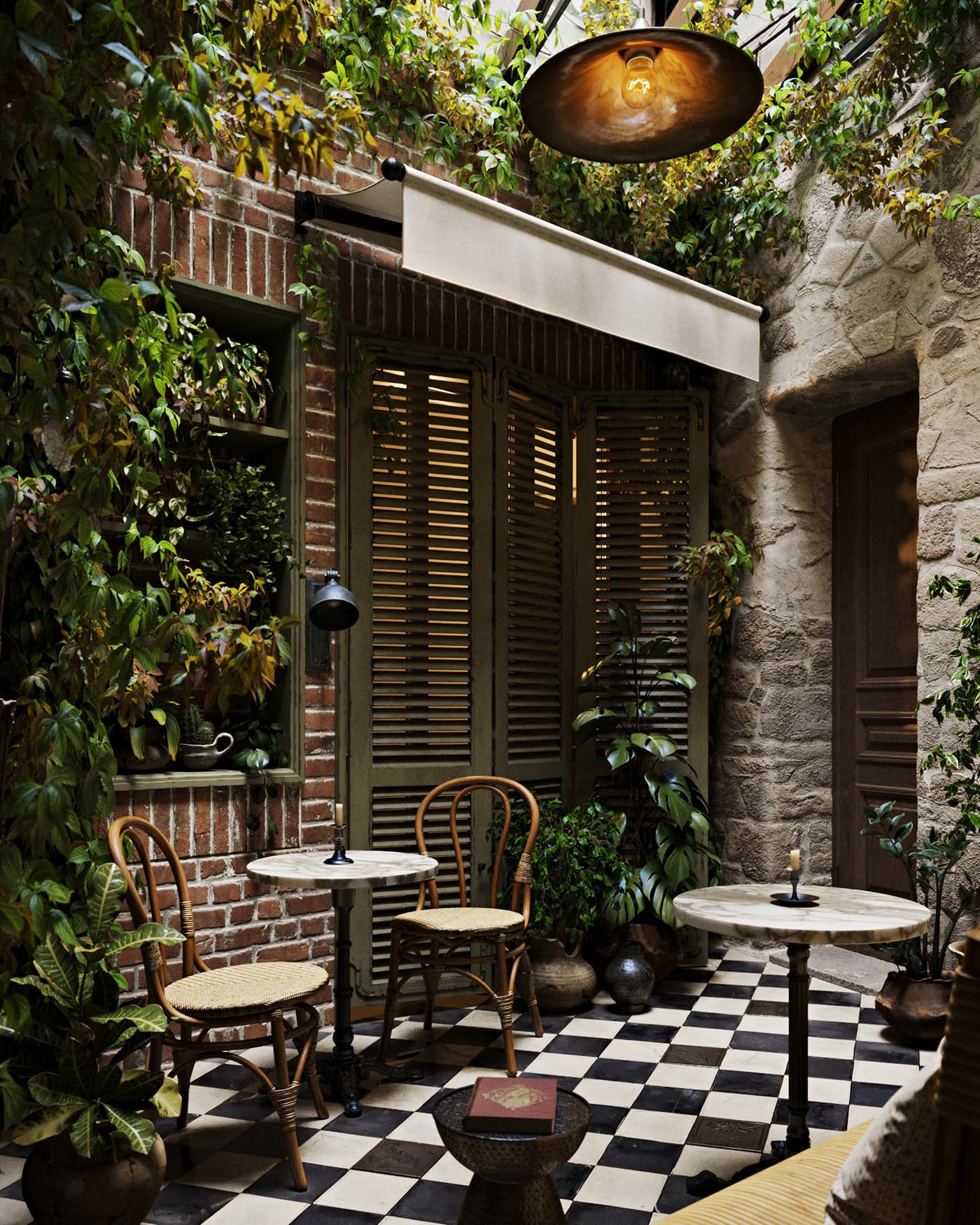
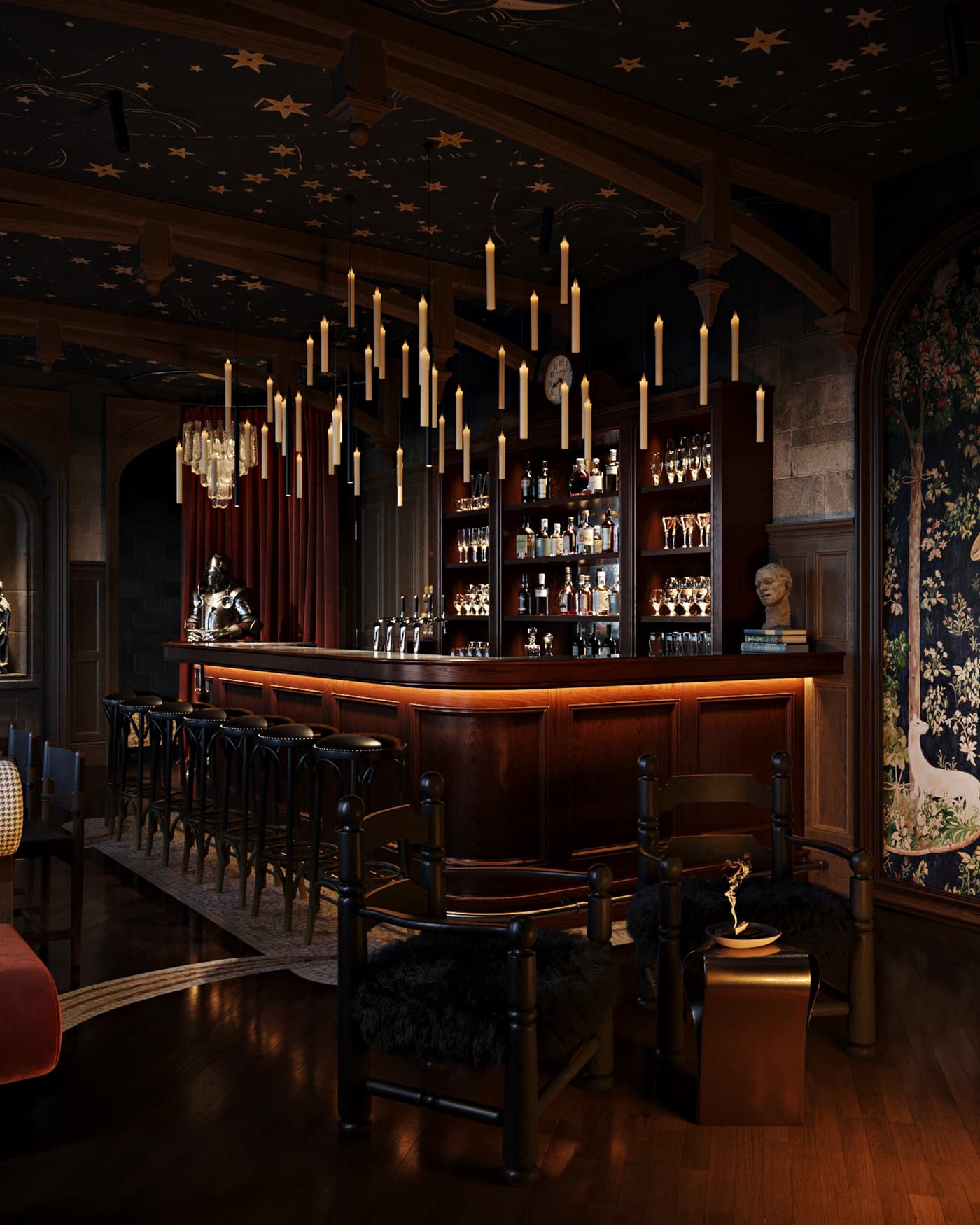
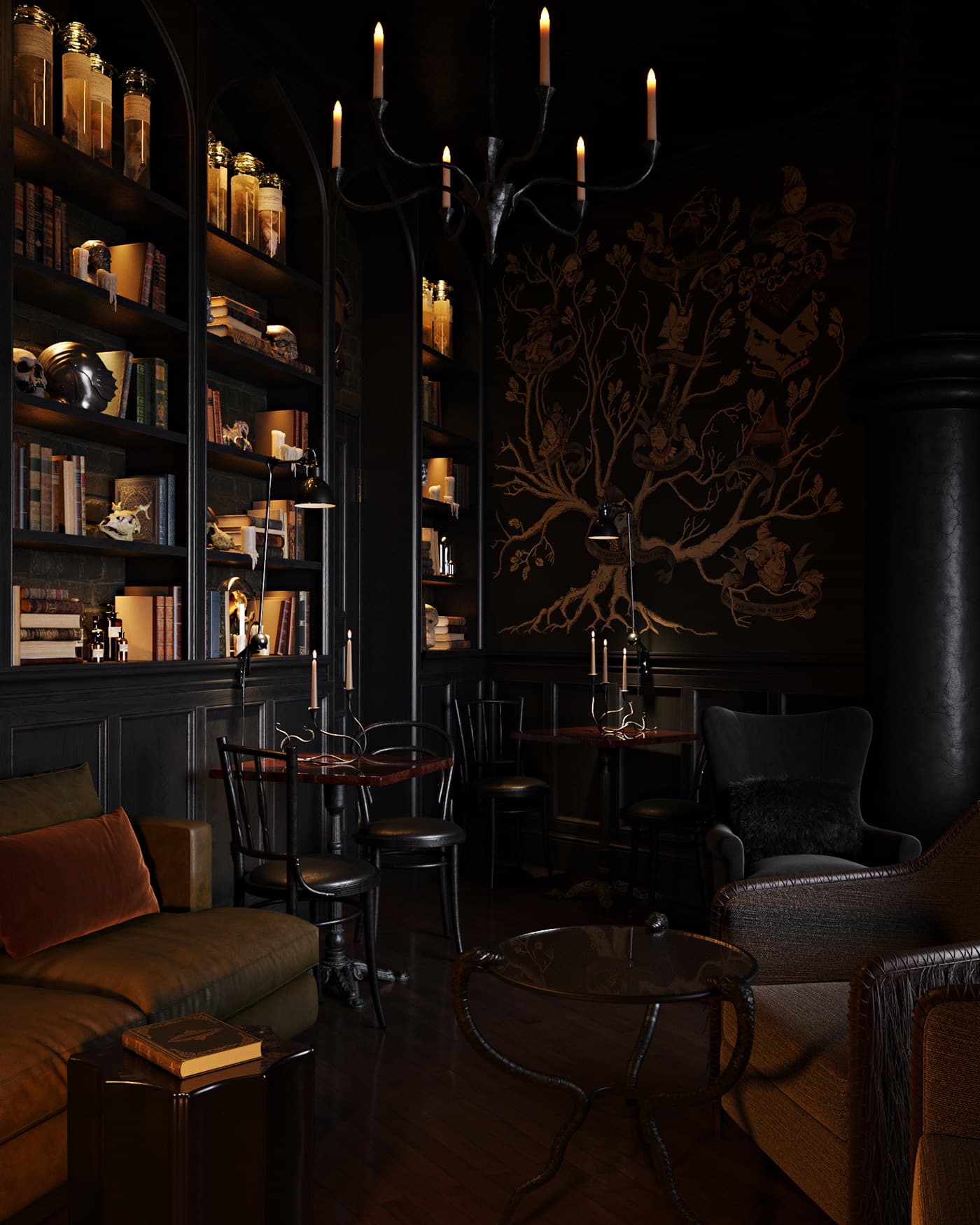
Decorative accessories such as antique mirrors, chandeliers or classic picture frames are elements that help add uniqueness and elegance to the Gothic space.
How to Combine Accessories to Create a Unique Gothic Space
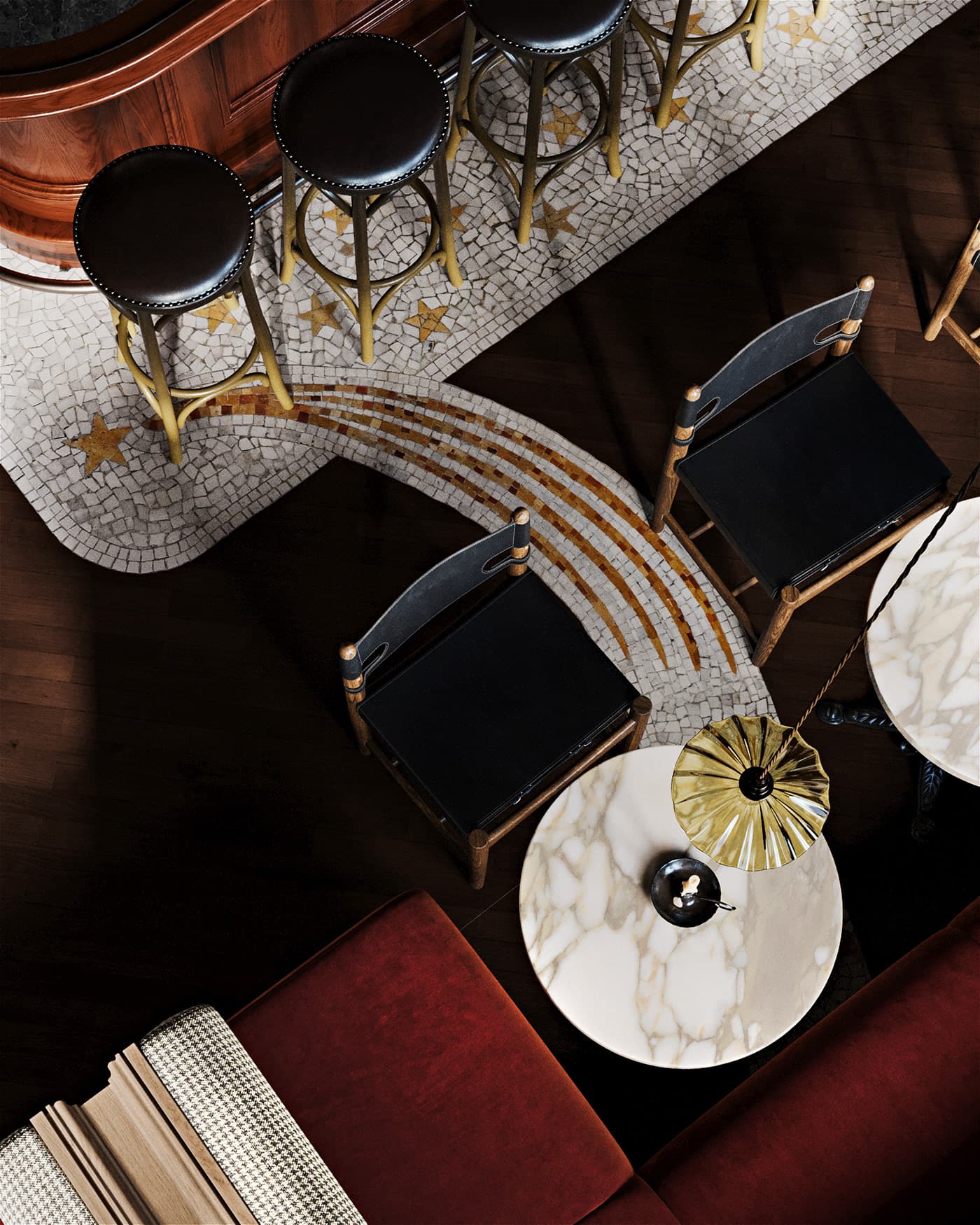
The harmonious combination of classic decorative accessories helps to highlight the space, bringing a sense of power and mystery. An antique mirror with a gilded frame, a dark metal ceiling chandelier or religious paintings are all perfect choices to express the Gothic style.
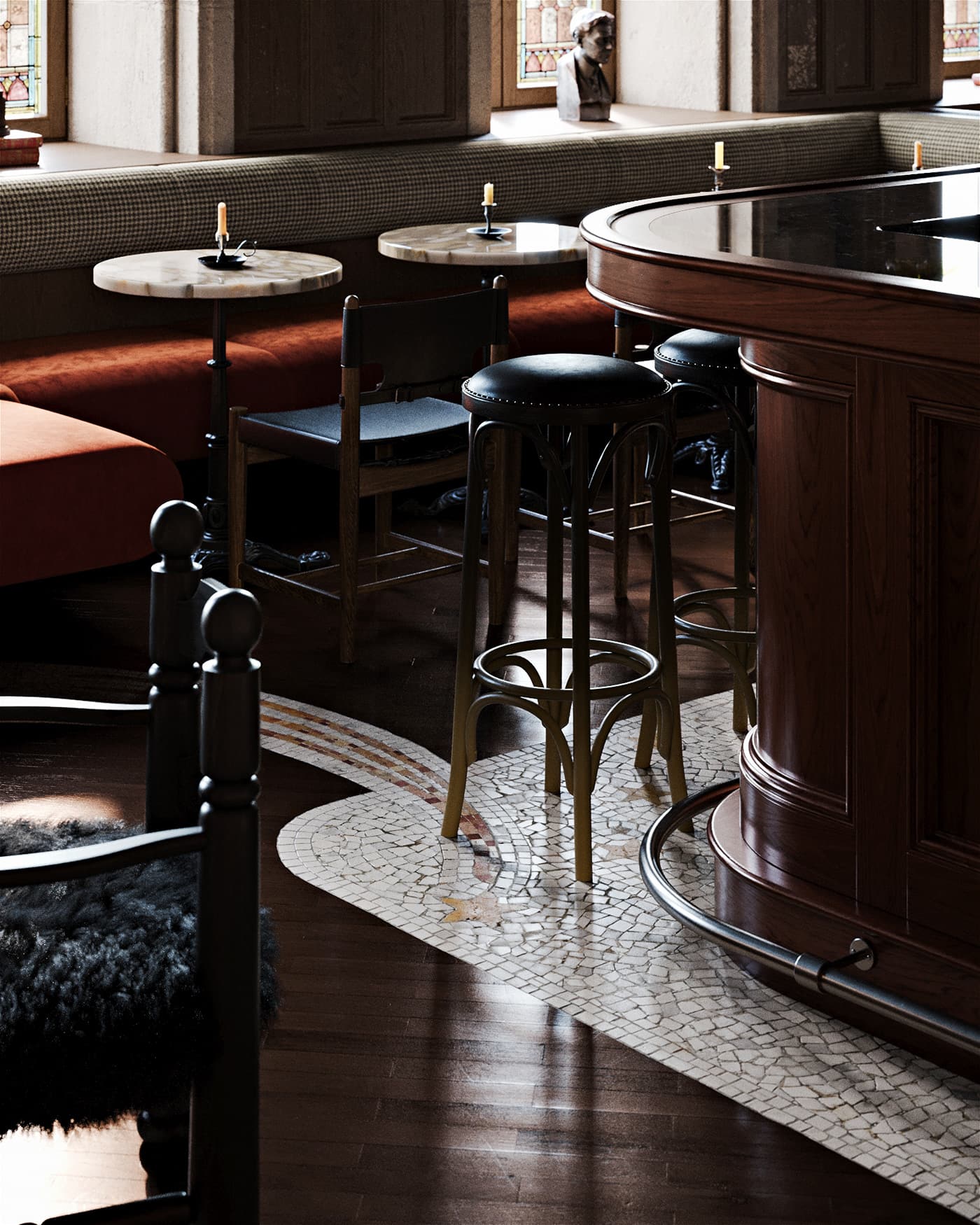
3.5 French Architectural Details
The Gothic style was heavily inspired by classical French architecture, with elaborate and elegant details.
Classical French Architectural Elements in Gothic Space
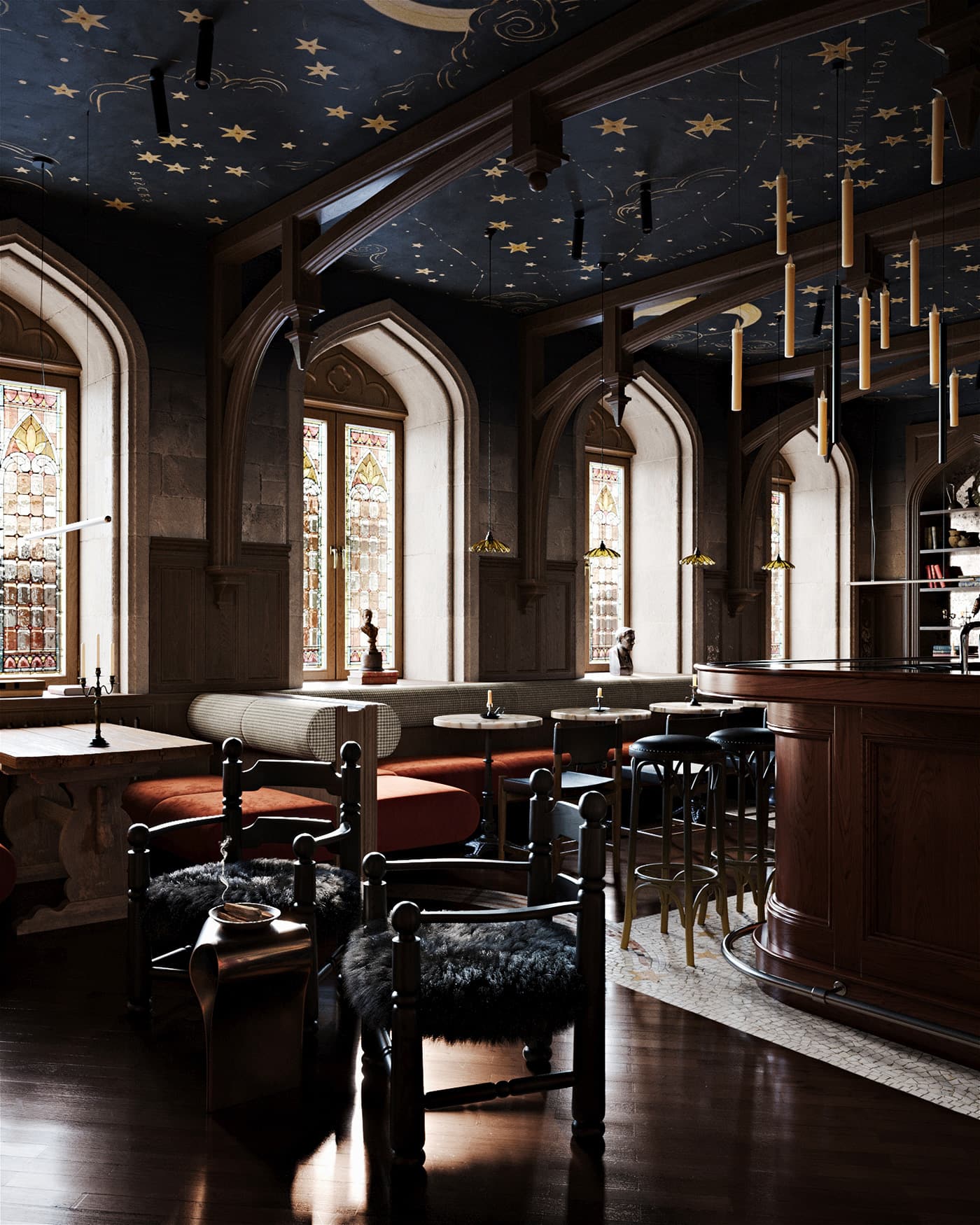
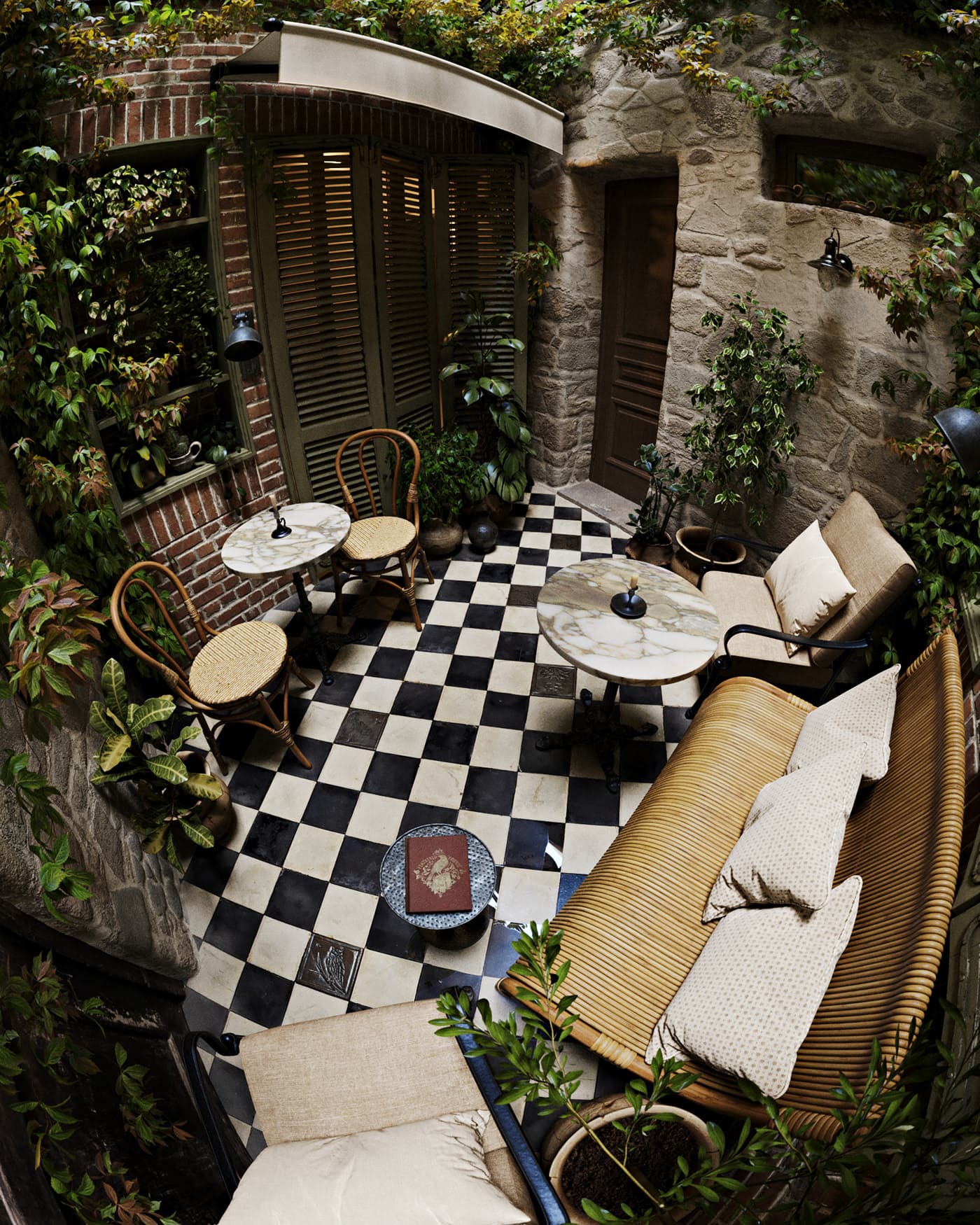
Details such as pointed arches, large pillars, and stained glass windows typical of classical French architecture are often applied in the Gothic style, creating a graceful yet powerful beauty.
How to Apply to Modern Interior Design
In modern interiors, the Gothic style retains its basic characteristics but is adapted to suit modern living spaces. Elements such as color, light and materials are cleverly combined to create a space that is both classic and comfortable.
4. Applying Gothic Style to Interior & Architectural Spaces
The Gothic style can be applied to many different types of spaces, from living rooms, bedrooms to kitchens. Modern architects and designers often combine the characteristic elements of Gothic with minimalist style to create spaces that are both classic and modern.
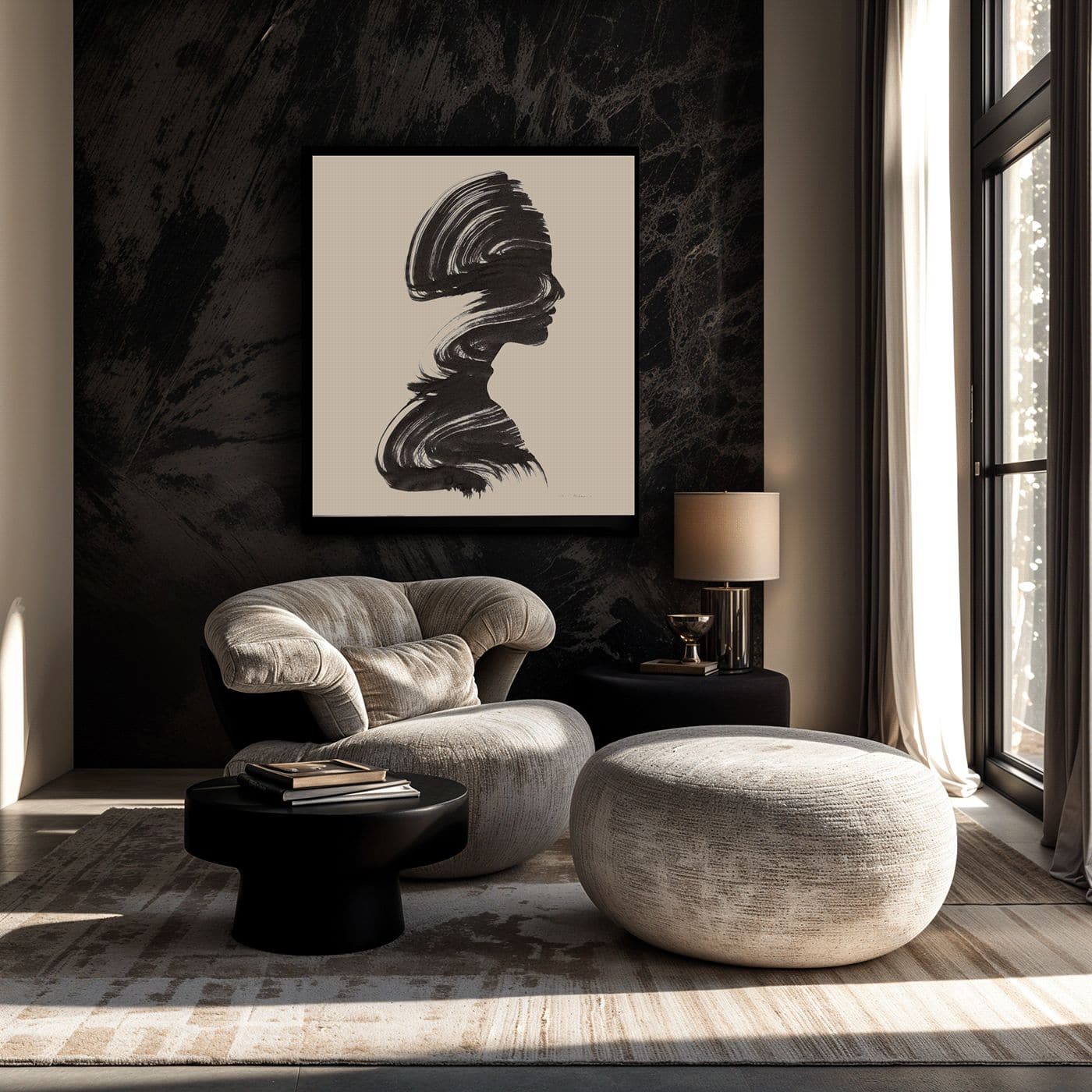
- In the interior: This style can bring luxury and mystery to the living room, with dark velvet chairs, classic chandeliers and large windows with metal frames.
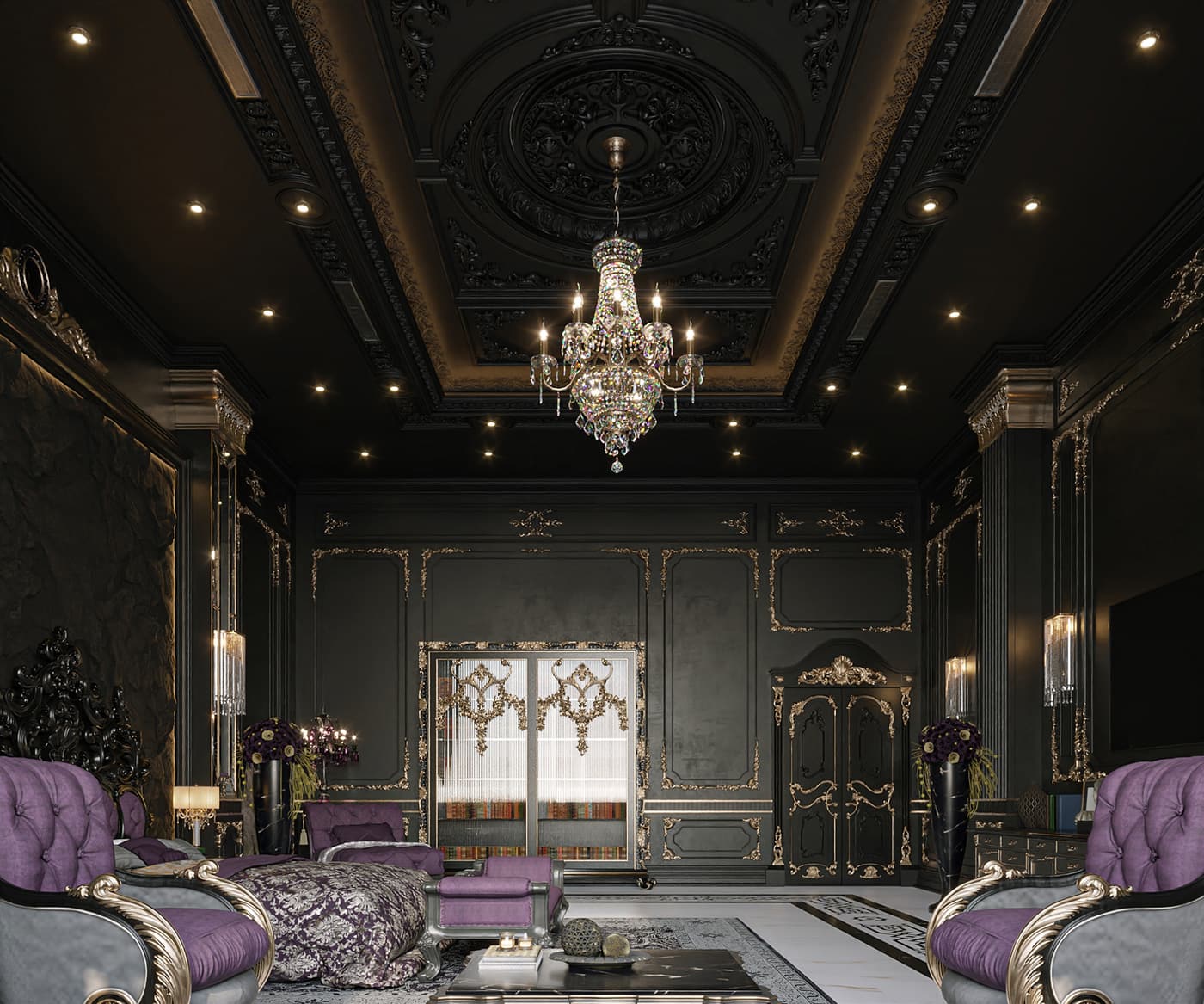
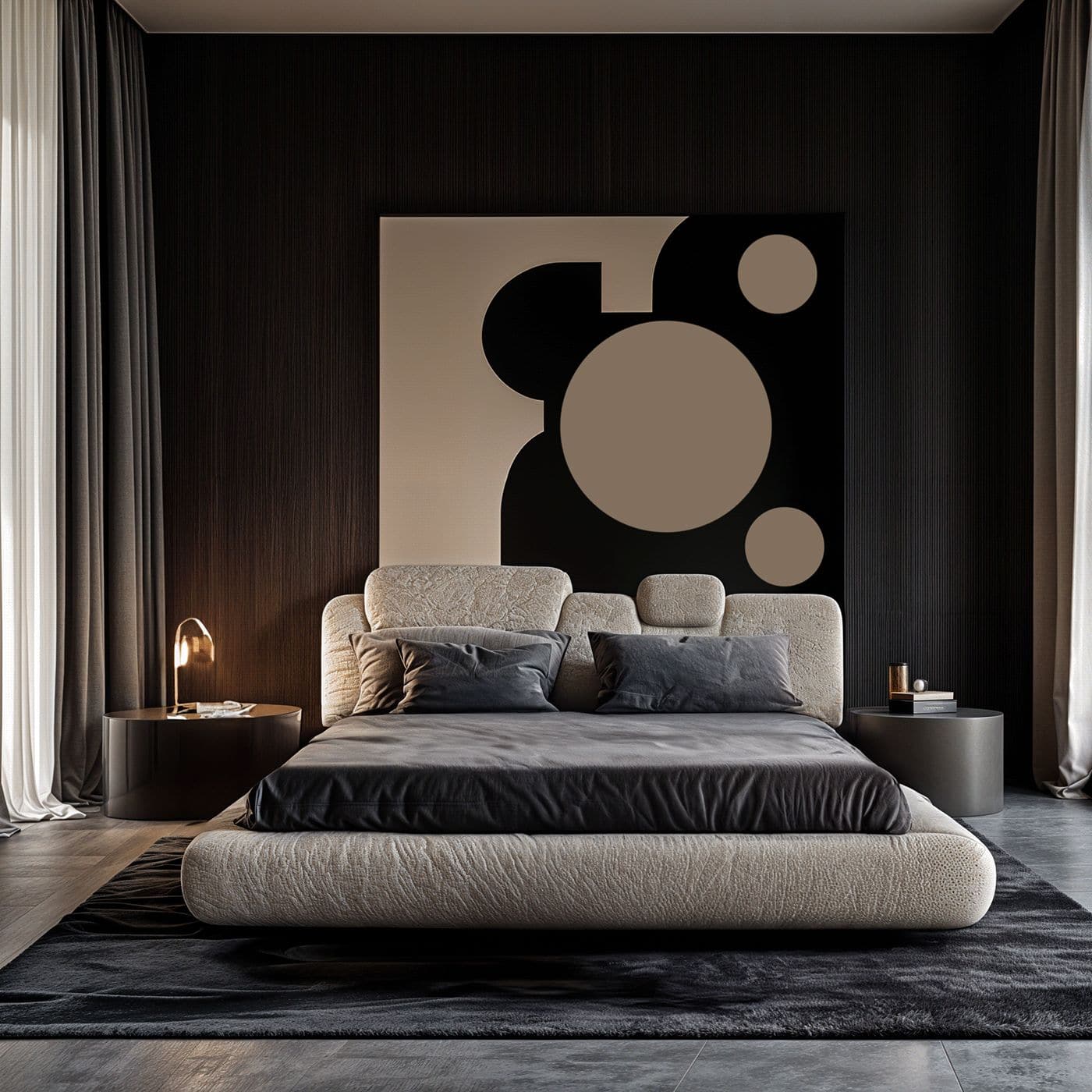
- Gothic Bedroom: will be captivating with its intricately carved wooden bed, thick curtains and soft candlelight.
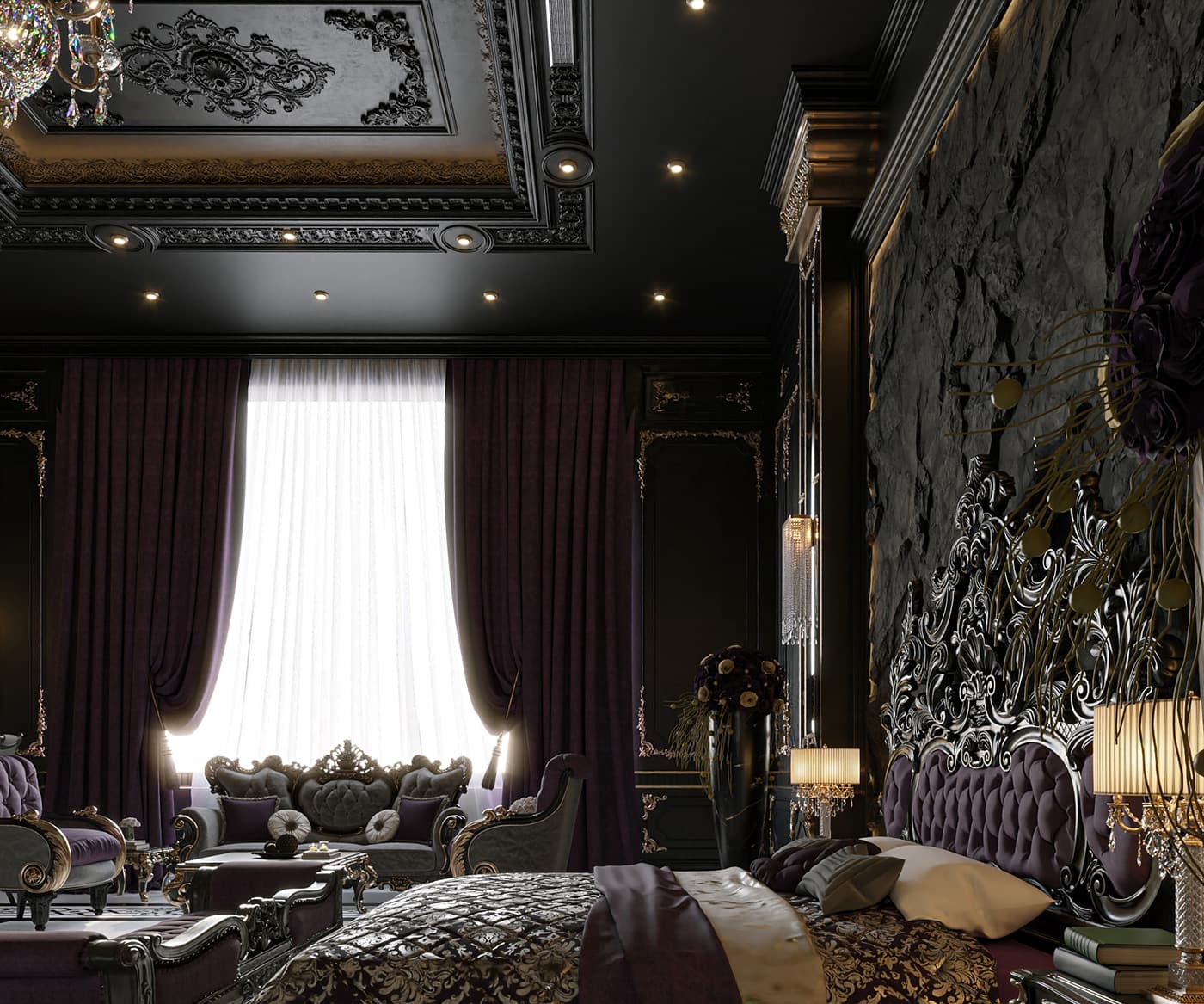
- In architecture: This style is characterized by tall columns, pointed arches, and stained glass windows.
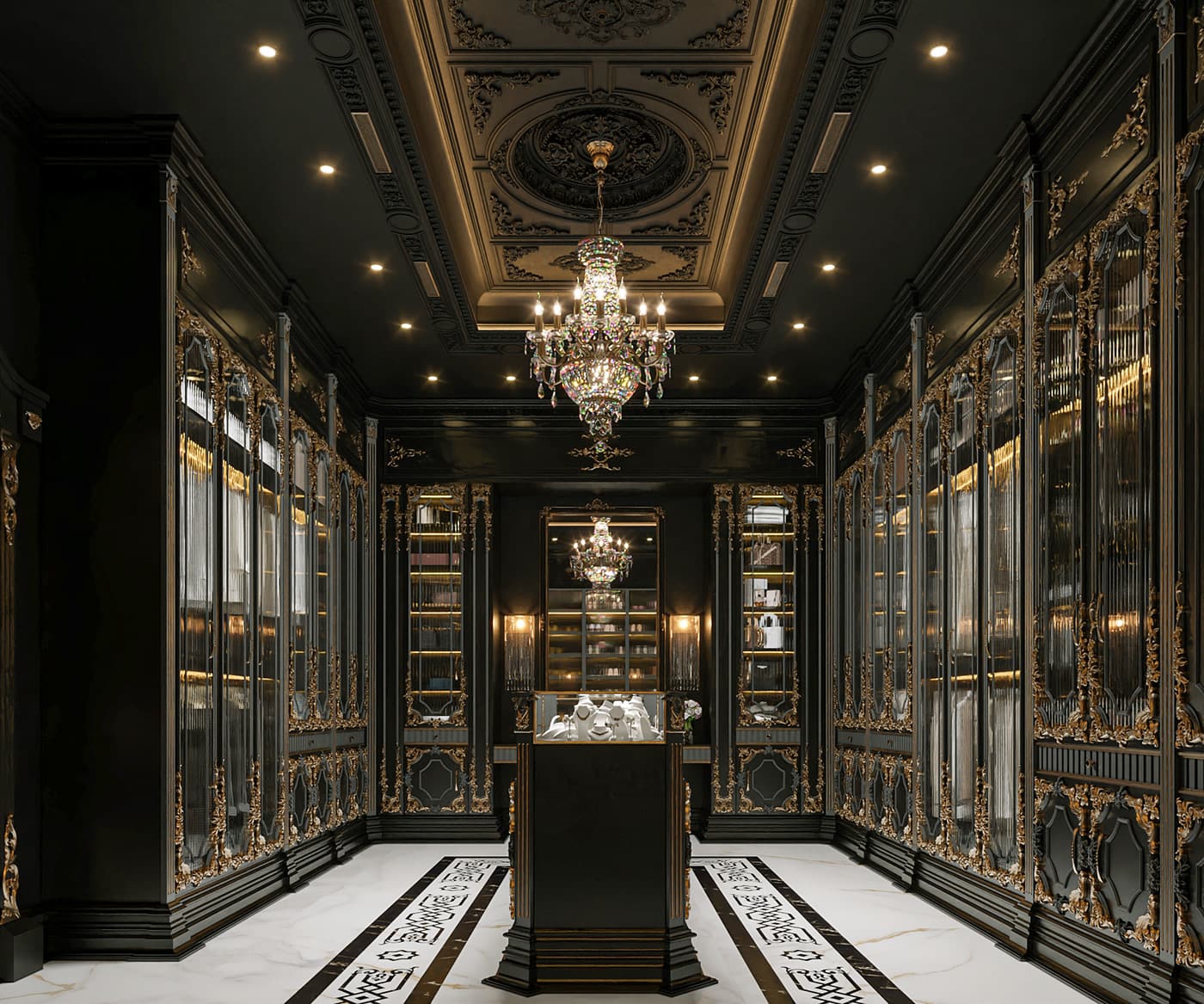
- Gothic style dining room: can become an artistic space with an oak dining table, metal details and decorative candles.
XHOME Saigon – Interior design and construction
XHOME Saigon belongs to XHOME Group with 16 branches nationwide. Confidence is the company No. 1 interior design and construction in Vietnam in terms of market share, human resources, quantity & quality of projects. Typical areas include design, construction, home improvement, interior and architecture, professional construction project management services.
- Website: xhomesg.com.vn
- Phone: 0899199786
- Address: Floor 12.B1 – REE Tower, No. 9, Doan Van Bo Street – Xom Chieu Ward – Ho Chi Minh City
- Email: info@xhomesg.com.vn


