

Postmodernism style (postmodern) is a blend of elements from popular culture with luxury, combining materials such as leather and velvet to create a unique space. Postmodernism is one of the most influential design movements in 20th century Born as a breath of fresh air to change the monotony of modernism, it has laid the foundation for many unique design trends. In this article, XHOME Saigon will help you explore the development of Postmodernism style, its defining characteristics, and how this style is applied to architecture and interiors.
Overview of Postmodernism Style
Postmodern style, aka postmodernism, is a prominent school of art and architecture of the 20th century. It emerged as a reaction to the strict principles and standards of modernism. This style is characterized by diversity in artistic expression, breaking down the boundaries between different genres and art forms.
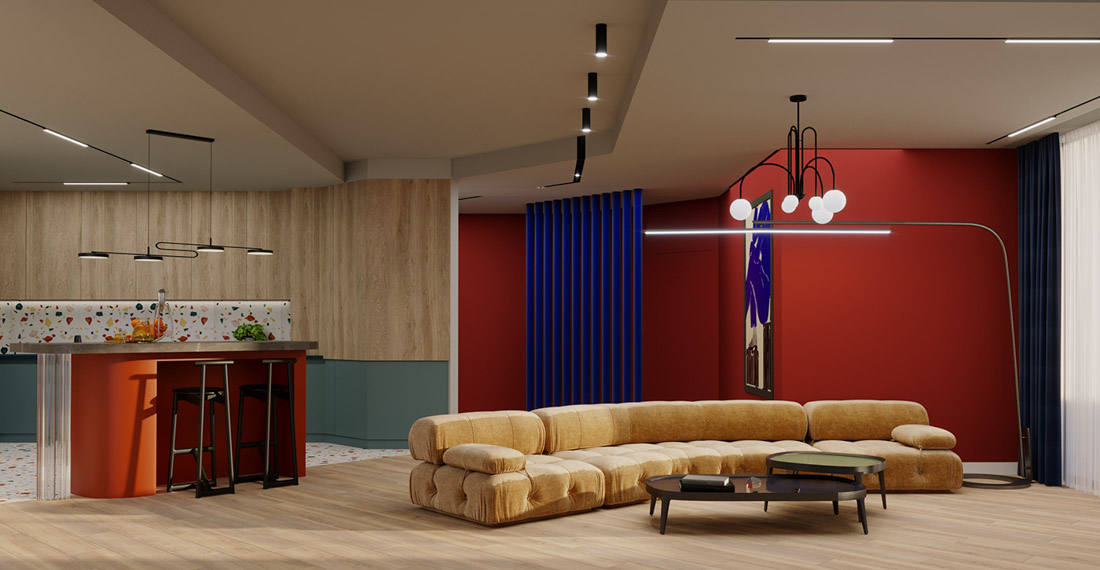
Postmodernism often brings new ideas, irony, and uses satire in its works. It is common to see a combination of traditional and modern elements, as well as the exploitation of many different layers of meaning. In addition, this style also maintains a concern with history and cultural context, emphasizing the interaction between people and their surroundings.
In architecture, postmodern style buildings often do not adhere to strict design rules as before, but instead, they encourage free creativity, highlighting the uniqueness and personalization of living spaces. This style has created a new wave in art and architecture, bringing rich and interesting experiences to people.
The difference between Postmodernism and Modern style
Postmodern style and Modern are both important design schools, but they have distinct characteristics and philosophies that create distinct differences in living spaces. Here are some key distinctions:
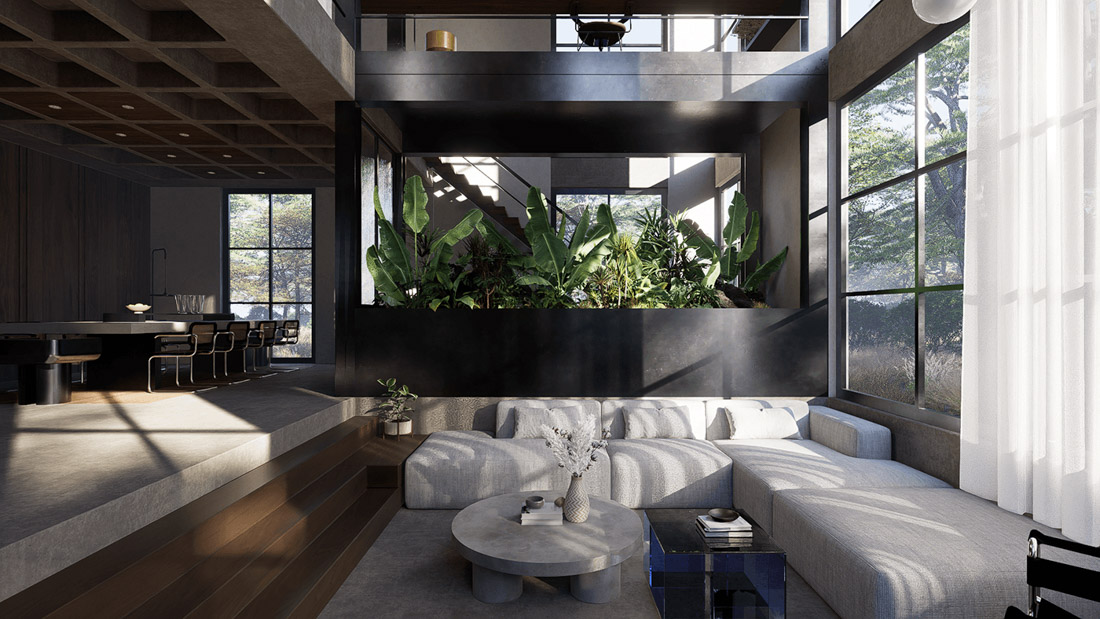
The design modernism usually focuses on basic shapes, straight lines, and prioritizes functionality, eliminating elaborate decorative details. Modern Style often aimed at affirming the ideal of the new and the advanced, with the belief that art could improve society. This led to the creation of revolutionary and avant-garde works.
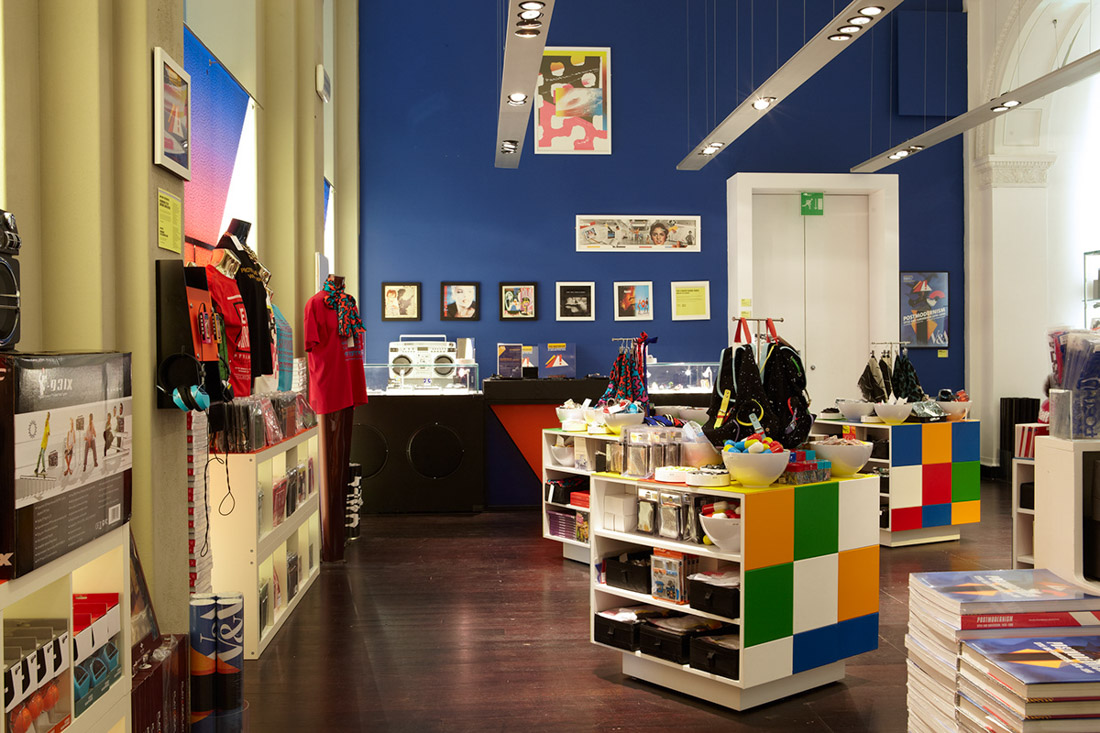
Opposite, Postmodernism style Focus on the beauty of the exterior with strong and impressive lines and colors, breaking the mold in design. This design style is considered a revolution that brings a new breeze, honors diversity, and creates more unique living spaces. Postmodern style It looks at things from many different angles and is not afraid to accept the chaos and complexity of life. It is more open to absorbing elements from the past or other cultures, often using satire to criticize traditional values.
The birth and development of Postmodernism design style
Born in the years 1960-1970, Postmodernism went against the rigid rules of modernism, bringing a new, colorful and creative breeze to the world of design and art. Inheriting and developing from previous art movements such as Dadaism, Surrealism and Pop Art, Postmodernism encouraged rebellion, fusion and individuality. This style brought about an unprecedented diversity and richness, changing the perspective between art forms and cultures.
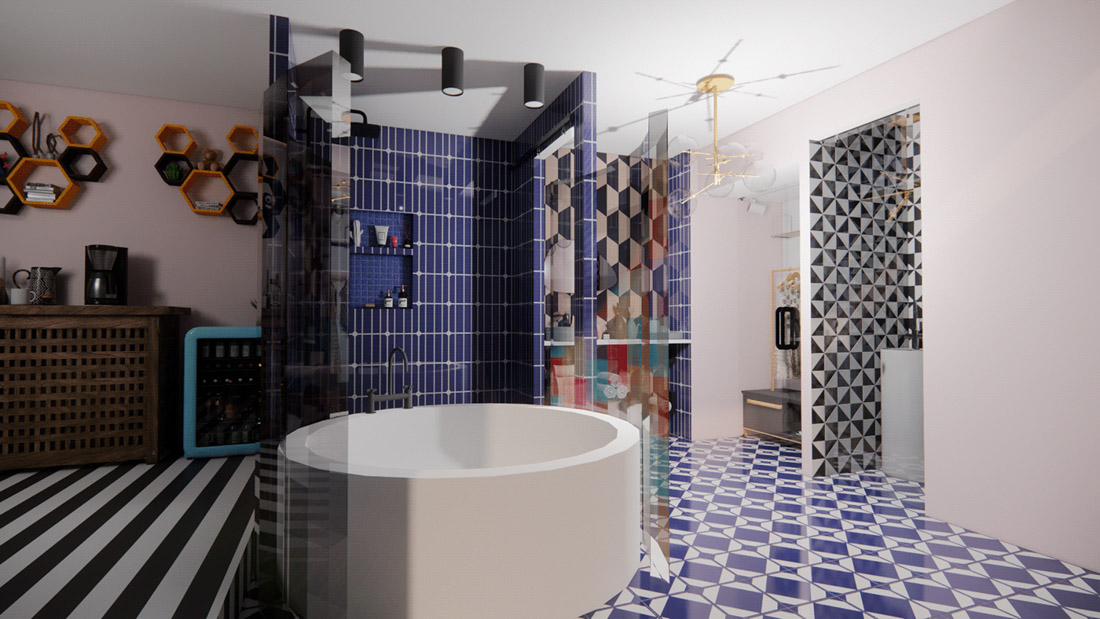
With uniqueness and innovation, Postmodernism style has become a design phenomenon, spreading strongly and creating far-reaching influences, attracting the attention of the majority of the public. On the one hand, this style is praised for its uniqueness, creativity and ability to challenge traditional norms. On the other hand, Postmodernism style also received many mixed opinions because of the excessive breakthrough of this style, many people think that it is too abstract and difficult to apply in daily life. Despite receiving many mixed opinions, it cannot be denied that Postmodernism has left a deep mark in design history.
Characteristics and specific examples of Postmodernism Style in life
Postmodernism style is a cultural, artistic and architectural movement that developed in the mid-20th century, notable for the following characteristics:
Skepticism and Criticism of Ultimate Values
Postmodernism is often skeptical of absolute truths and values. This means that it does not accept one point of view as being more correct or superior than another. Postmodern works often raise questions about power, cultural identity, and the nature of truth.
For example: In literature, authors such as Thomas Pynchon or Don DeLillo Often uses non-linear writing and multiple voices to convey the complexity of reality, leaving the reader to determine meaning for themselves.
Diversity and Artistic Overlap
One of the outstanding features of Postmodernism style is the diversity and overlap between artistic genres. It exists not only in literature but also in fields such as music, painting and film. Works often combine many different styles, genres and creative methods.
For example: In the visual arts, artists such as Andy Warhol has used screen printing techniques to create works that are commercial in nature but profound in their messages about society and consumer culture.
Pastiche
Parody Art is an important factor in postmodern, where works often borrow, restructure, or transform previous art forms. This not only creates richness but also emphasizes the unoriginal nature of artistic creation.
For example: A movie like “The Grand Budapest Hotel” by Wes Anderson There are many elements from different film genres as well as references to historical art styles, creating a unique space. classic and modern combination
Variability and Continuous Change
Postmodern style The modernist emphasizes that everything can be changed and nothing is permanent. This is shown by the fact that works of art can be interpreted in many different ways and are always open to change.
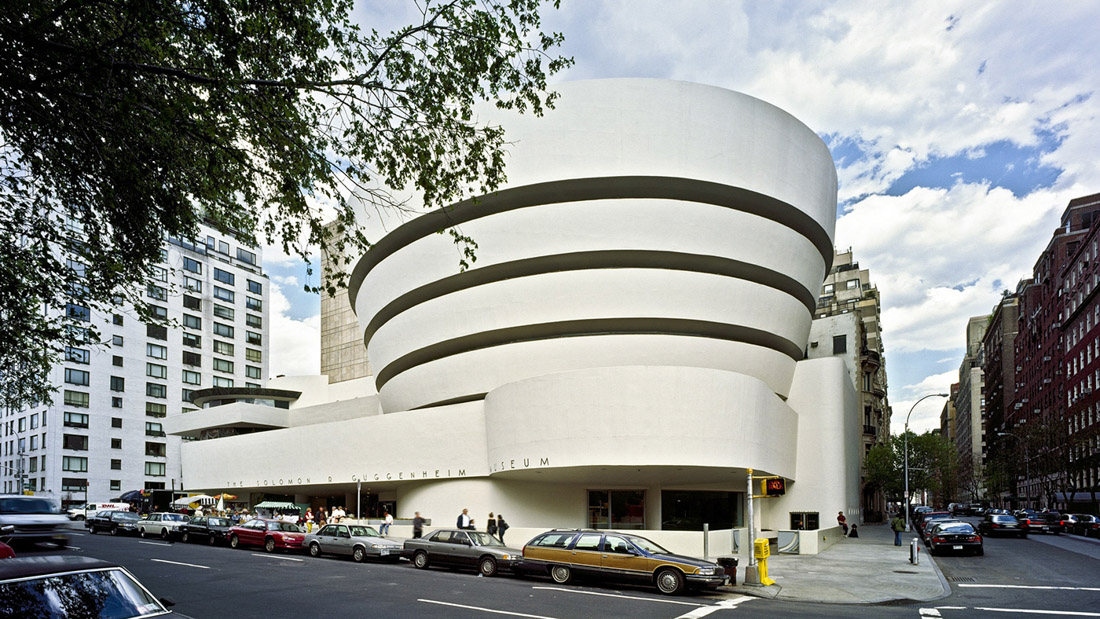
For example: In architecture, works such as Guggenheim Museum Bilbao by Frank Gehry The designs are not only unique in shape but also controversial in how they integrate into the urban landscape.
Individualism and Relative Power
Postmodernism also focuses on personal experiences and the role of each individual in society. This art does not simply reflect reality but also explores deeper aspects of the human self, including private emotions and thoughts.
For example: Works of female writers like Virginia Woolf often exploit character psychology, emphasizing personal experiences and emotions within a broader social context.
Application of Postmodernism Style in Interior Design & Architecture
Postmodernism style is a subtle blend of traditional and modern, create the interior design Unique and full of personality. With the ability to flexibly combine different elements, this style creates creative living and working spaces, meeting diverse needs and personal preferences.
How Postmodernism Impacted Interior Design
Personalization in Design
Interior design style Postmodernism pays great attention to the feeling and personalization of living spaces. This means that each design reflects the homeowner's personality. The use of furniture vintage furniture, personal artworks or special souvenirs bring intimacy and uniqueness to each space.
Use bold and varied colors
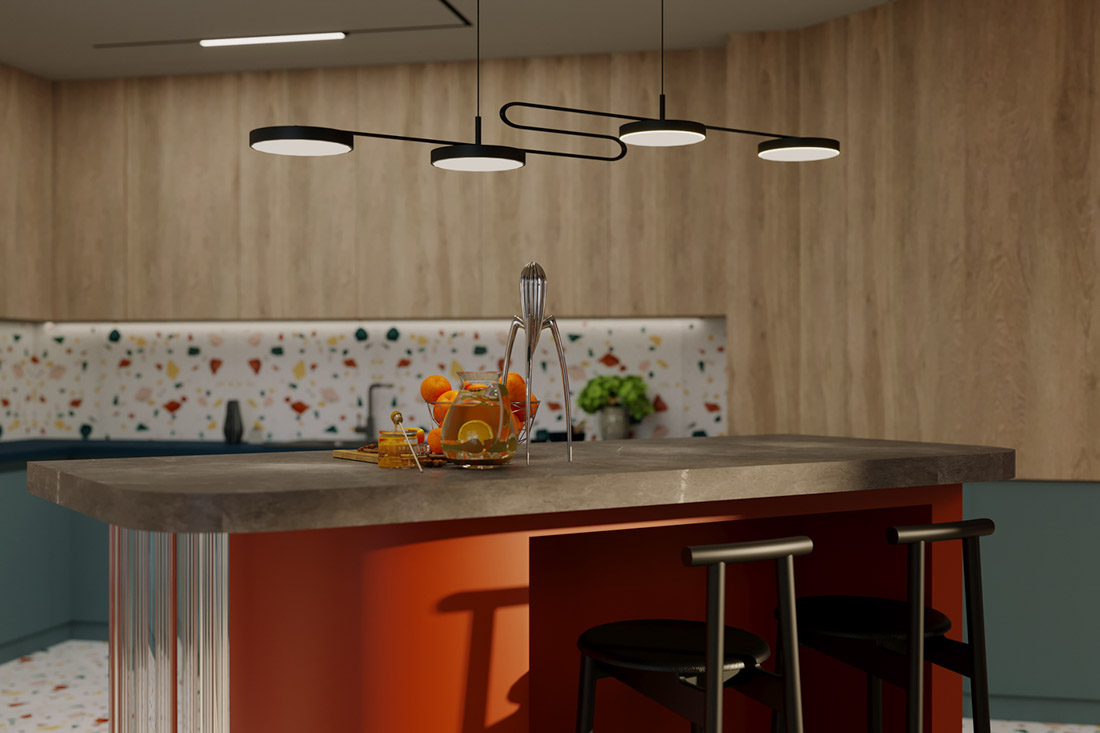
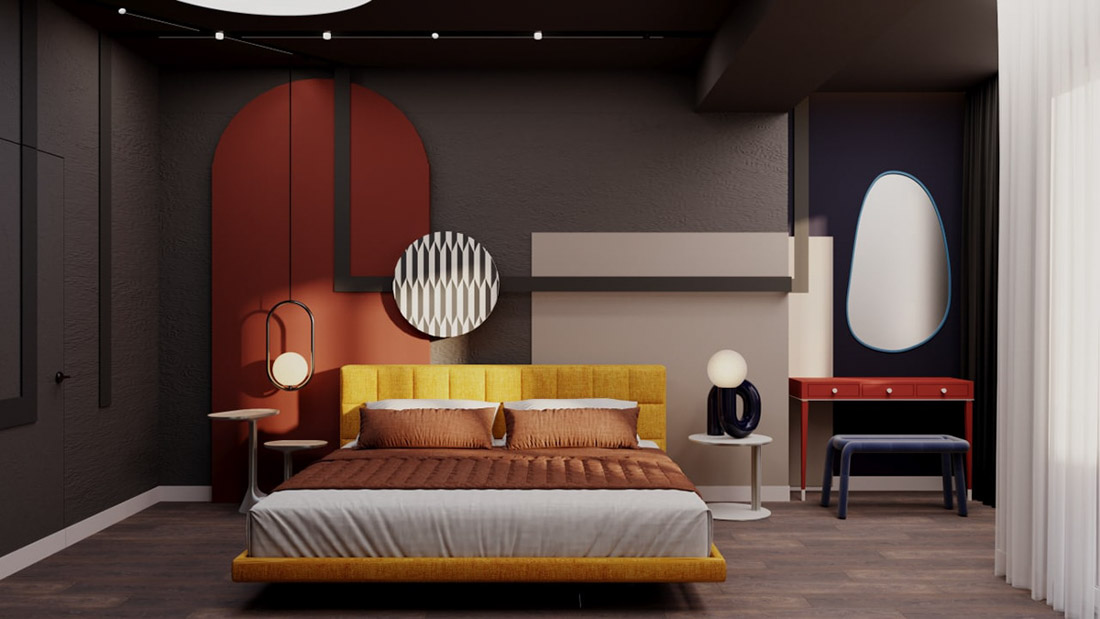
With the boldness and innovation in the use of colors, designers are not afraid to combine contrasting colors but create unexpected effects. Combining bright colors such as orange, yellow, pink with dark tones such as black, purple, navy blue not only creates a vibrant space but also shows a liberal spirit. The strong contrast between these colors attracts all eyes and creates an impressive highlight for the living space.
No limitation on interior materials
Materials that frequently appear in the Postmodern design These are wood, metal, glass, plastic and stone. Each type of material is used and combined flexibly to create unique living spaces. The combination of traditional materials such as wood and stone with modern materials such as glass and plastic has created a beauty that combines classic and modern with high applicability.
Focus on ornate motifs
Unlike modernism, Postmodernism style pays great attention to detail and decoration. The subtle interweaving of different motifs like a colorful painting, breathes new life into the living space. The interweaving of straight lines and soft motifs has created a unique feature for this style.
In addition, patterns inspired by popular culture such as comics, music, and movies have brought youthfulness to meet the aesthetics of modern life. Or a wall with prominent geometric patterns can become the focal point of the room, while a sofa with soft patterns can create a relaxing, cozy space. Patterns can also be used to create visual effects such as making the space appear larger, taller, or creating a sense of movement.
Weird and Contrasting Elements
Postmodernism style often play with contrasting elements, surprising and intrigueing. For example, a bright pink sofa can be placed next to a rough concrete table, creating a sharp contrast. This not only demonstrates creativity but also encourages the user to think about the beauty and value of art.
Irregular shapes and lines
Postmodernism Design often use a variety of asymmetrical, angular shapes, or shapes with soft, flexible shapes. This diversity allows designers to create unique and flexible living spaces. The shapes in Postmodern design arranged randomly, creating a harmonious and surprising whole.
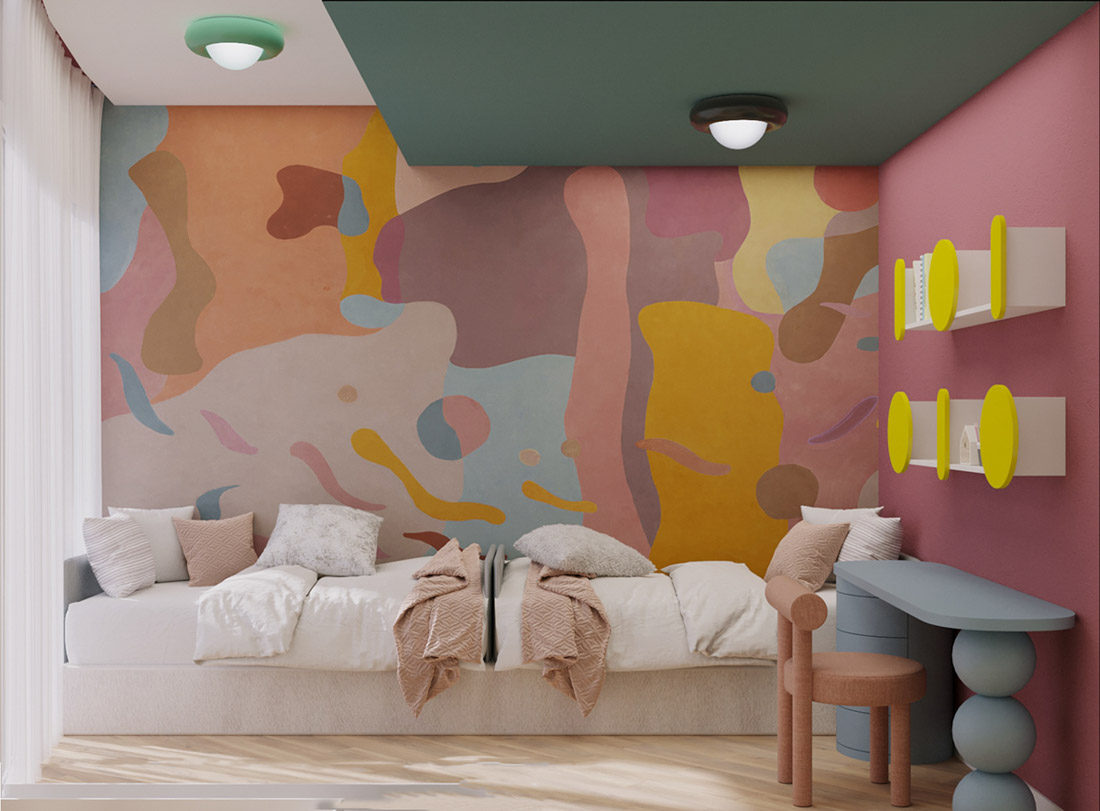
The innovation in lines is one of the factors that make the difference of Postmodernism style. Soft curves, straight lines, zigzag lines... All are used flexibly to create unexpected visual effects, making viewers curious and excited. The innovation in lines not only makes the product unique but also shows the creativity of the designer.
Postmodernism style in architectural design
Nowadays, Postmodern architecture The modern world is still developing. Architects combine individual creativity with the pressure of urbanization and new technology. The trend of using sustainable, smart materials and green design is increasingly important in projects. This style is widely applied in the design of public works such as shops, showrooms, restaurants, hotels, cultural centers, ... From compact apartments to large public spaces, Postmodernism All provide unique and effective design solutions, achieving high aesthetics and applicability.
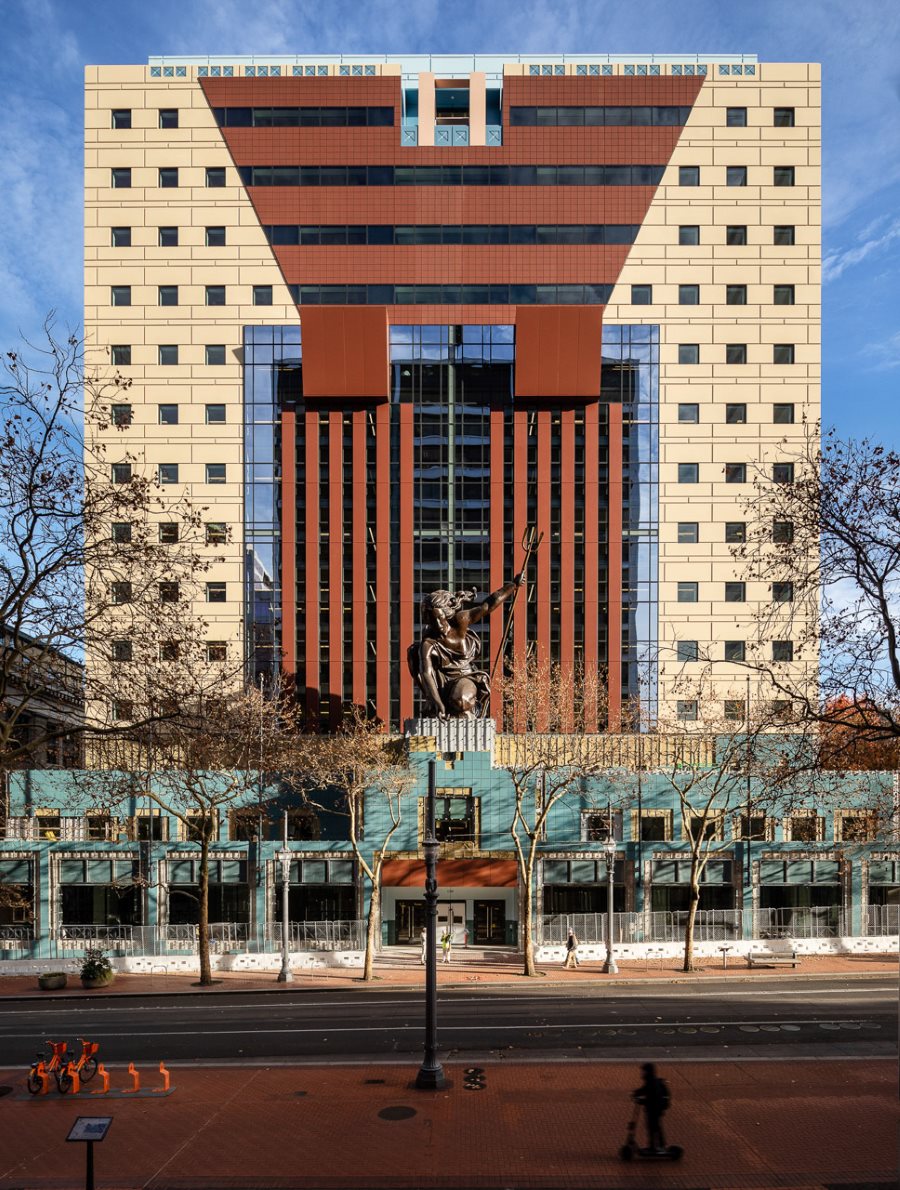
Some typical architectural works designed in the style Postmodernism this:
- Vanna Venturi House (USA): Designed by Robert Venturi, This work reflects the anti-modernism with its asymmetrical shape and bold colors.
- Portland Building (USA): By Michael Graves Design, the building has a new style with cheerful colors, blending into the environment.
- Guggenheim Museum Bilbao (Spain): Despite its modern elements, this architecture still demonstrates the creativity and iconic style of postmodernism.
Postmodernism style not bound by traditional rules of color, but instead, encourages bold and creative combinations. Although it only existed for a short time, the appeal of this style has always captivated many people. If you want to own a unique living space, with a strong personal mark, let XHOME Saigon help you make it happen. Don't hesitate to contact us via hotline 0899.199.786. Team of experts XHOME Saigon Always accompany you throughout the process of creating an impressive living space.
XHOME Saigon – Interior design and construction by XHOME Group
XHOME Saigon belong XHOME Group with 16 branches nationwide. Confidently the number 1 interior design and construction company in Vietnam in terms of market share, human resources, quantity & quality of projects. Typical fields include design, construction, interior and architectural renovation, construction project management services, build a house package profession.
- Website: xhomesg.com.vn
- Phone: 0899199786
- Address: Floor 12, B1 – REE Tower, No. 9, Doan Van Bo Street, Xom Chieu Ward, Ho Chi Minh City
- Email: info@xhomesg.com.vn


